
Avec comme destination le monde, les grands navigateurs portugais n’auraient pu imaginer ce qu’ils emportaient dans leurs valises en les rouvrant cinq siècles plus tard.
En réduisant les distances et en initiant le commerce international, les caravelles parties de Sagres en Algarve, ont d’une certaine manière, ouvert la voie à la mondialisation.
L’Algarve, avec ses qualités environnementales et son positionnement géographique attractif, a tissé les fils de son propre maillage globalisant et a bouclé la boucle.
Au 21ème siècle, elle représente la deuxième région du Portugal en termes d’attraction migratoire internationale.
Les migrations liées au tourisme de masse et résidentiel, attaché au travail et aux retraites, participent grandement au développement et à la complexification du territoire.
Depuis une soixantaine d’années avec notamment la mise en service de l’aéroport de Faro en 1965, la métamorphose de l’Algarve s’accélère. Le territoire en mouvement se déploie par l’occupation du sol et la mise en œuvre du bâti, mais qu’en est-il des lignes affectives et imaginatives de cette terre d’espérance, et comment la mémoire entre en dialogue avec le paysage d’aujourd’hui?
Comment en 60 ans, soit seulement en 4 générations, le territoire de l’Algarve est passé d’une société traditionnelle basée sur l’agriculture et la pêche au reflet flamboyant du mondialisme?
Peut-on encore parler de racines et d’identité locale? Quels leviers et quels mécanismes ont contribué à la circulation des flux économiques et politiques? Doit-on y voir l’avènement de l’Anthropocène? Comment converge ces flux dans ces nouveaux centres dominants et comment se diffuse cette dynamique dans le milieu naturel?
Entre terre, ciel et mer, les particules d’espérance rejouent le départ des marins, creusant l’horizon et découpant les flots, avec au lointain, le ressac des matins conciliants.
Le jardin du Portugal fait référence à l’article publicitaire publié le 26 Janvier 1966 par Punch Magazine et réalisé par la compagnie aérienne portugaise, TAP, intitulé Come to the Algarve (and laze in the sun), où l’Algarve est connue comme le Jardin du Portugal.
THE GARDEN OF PORTUGAL (ongoing project)
With the world as a destination, the great Portuguese explorers could not have imagined what they were carrying in their suitcases by reopening them five centuries after.
By reducing distances and initiating international trade, the caravels left from Sagres, in the Algarve, have somehow, paved the way to globalization.
The Algarve, with its environmental qualities and its attractive geographical position, naturally wove the threads of its own globalizing mesh and has come full circle.
In the 21st century, The Algarve represents the second region of Portugal in terms of international migratory attraction.
Migrations related to mass and residential tourism, linked by work and retirements, greatly participate to the development and complexity of landscape.
For about sixty years with especially the commissioning of Faro’s airport in 1965, the metamorphosis of the Algarve is accelerating. The territory in motion is spread by the occupation of the ground and the implementation of the building but what’s about affective and imaginative lines of this land of hope, and how memory enter into dialog with the landscape today?
How in 60 years, only in 4 generations, The Algarve territory has evolved from a traditional society based on agriculture and fishing to the flamboyant reflection of globalism?
Can we still talk about roots and local identity? What levers and mechanisms have contributed to the circulation of economic and political flows? Should we see in it the advent of Anthropocene? How do these flows converge in these new dominant centers and how does this dynamic spread in natural environment?
Between land, sky, and sea, the particles of hope replay the departure of the sailors, digging the horizon and slicing through the waves, and in the distance, the backwash of conciliatory mornings.
*The title, The Garden of Portugal, refers to the advertising article published by Punch Magazine the 26th January of 1966 and made by portuguese airline, TAP, titled Come to the Algarve (and laze in the sun), where the Algarve is known as The Garden of Portugal.
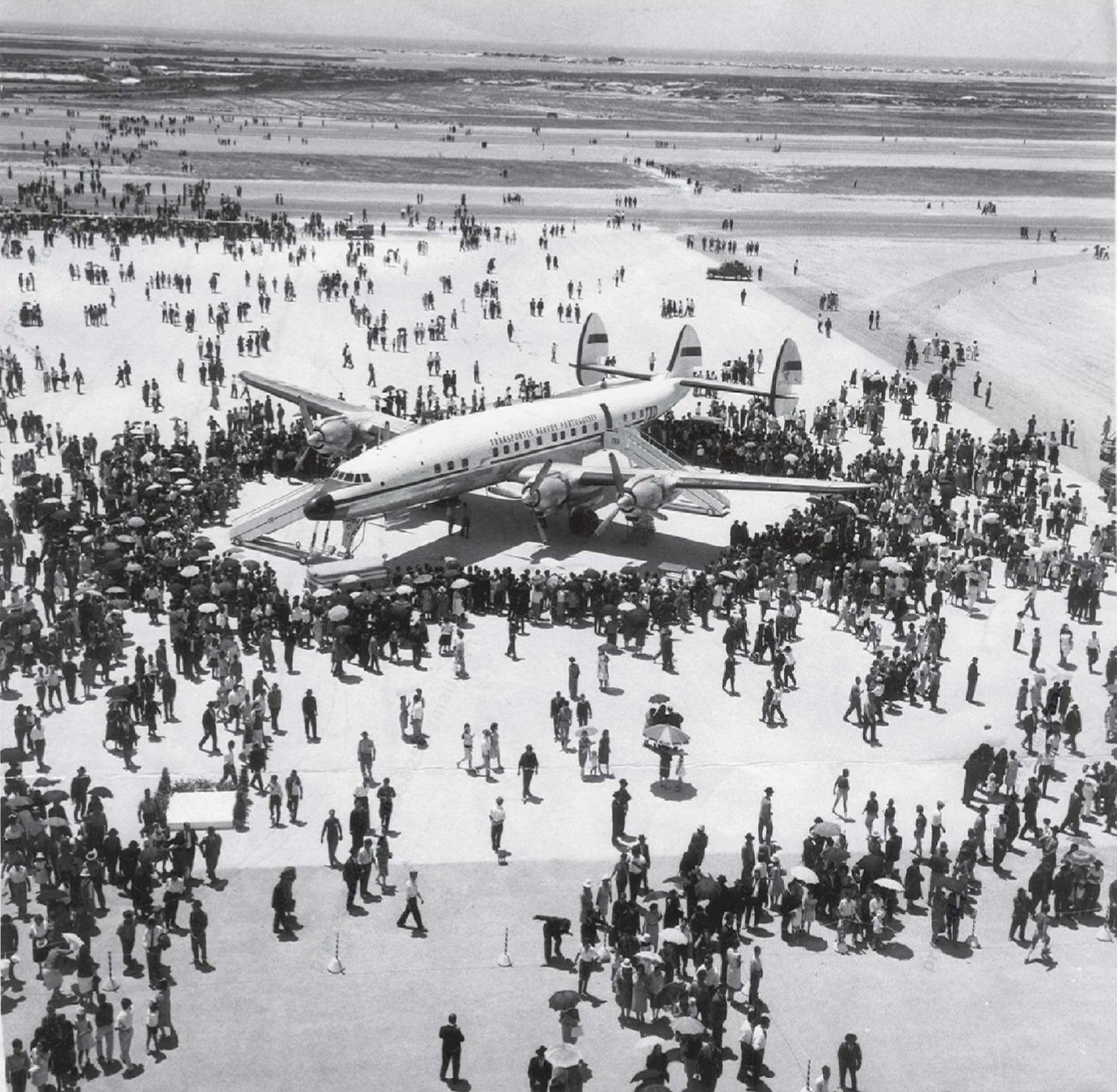
INAUGURATION DE L’AÉROPORT DE FARO 11.07.1965. / ©JORNAL DE NOTICIAS
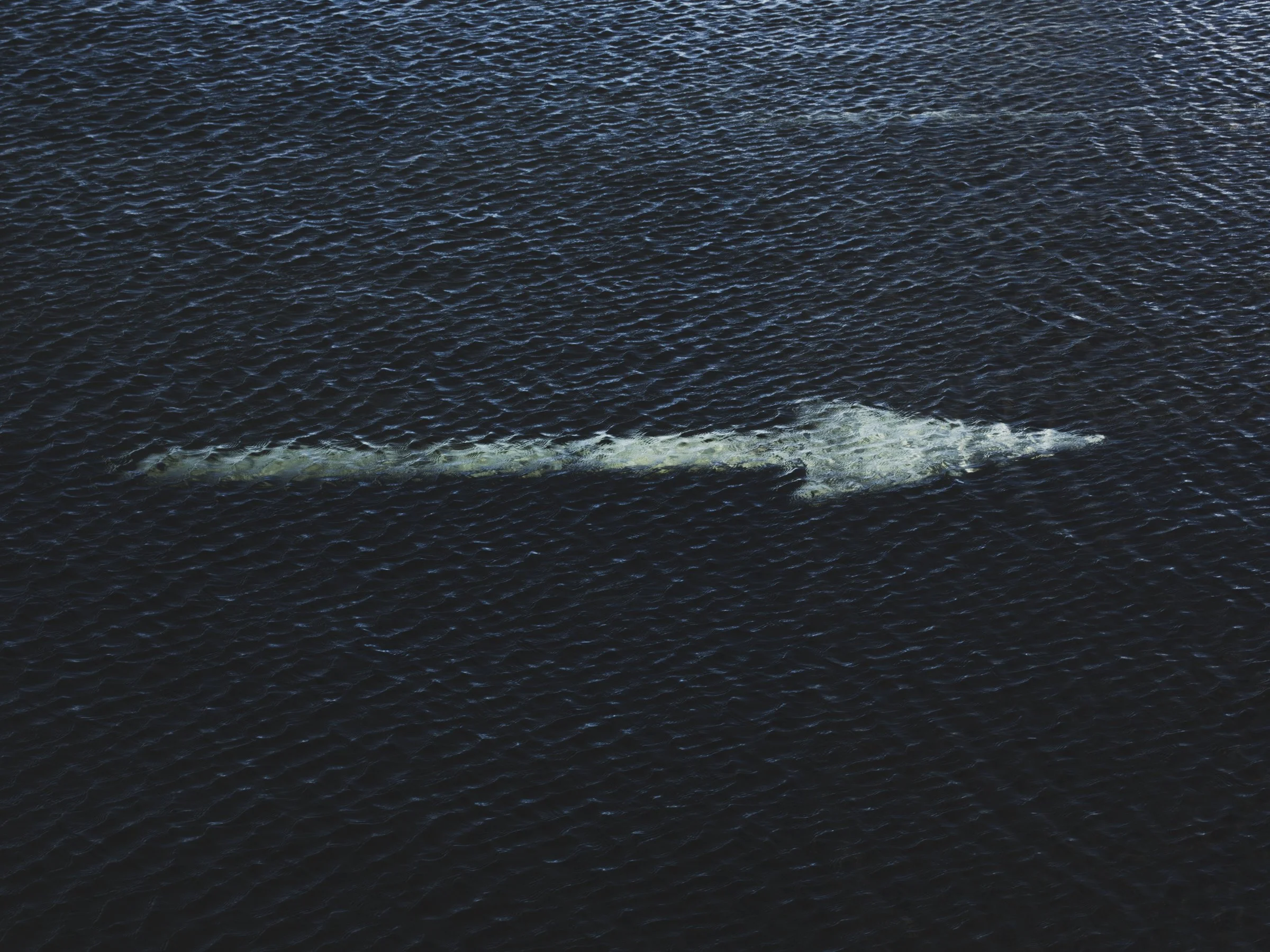
VILA REAL DE SANTO ANTÓNIO / JUILLET 2021
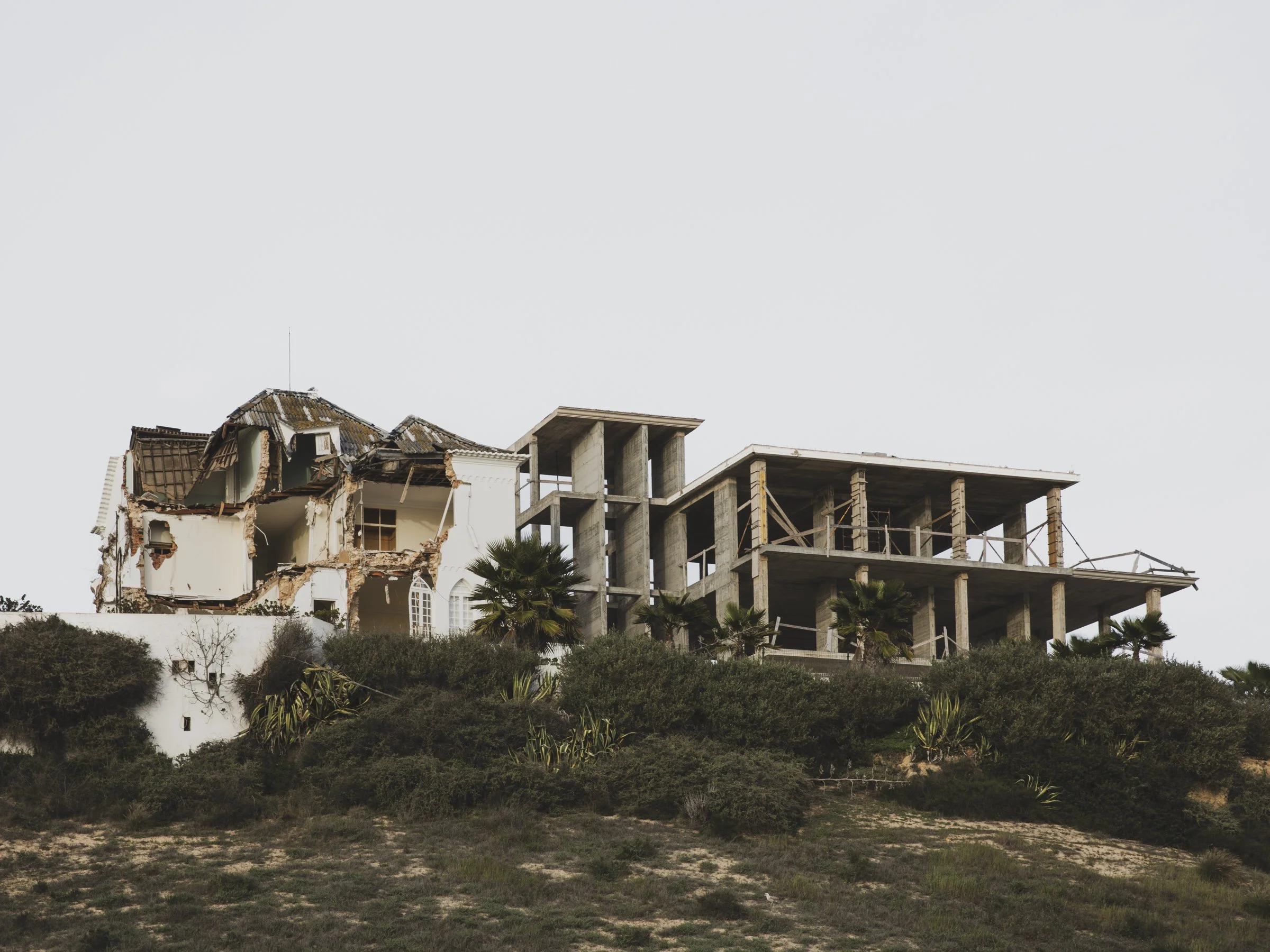
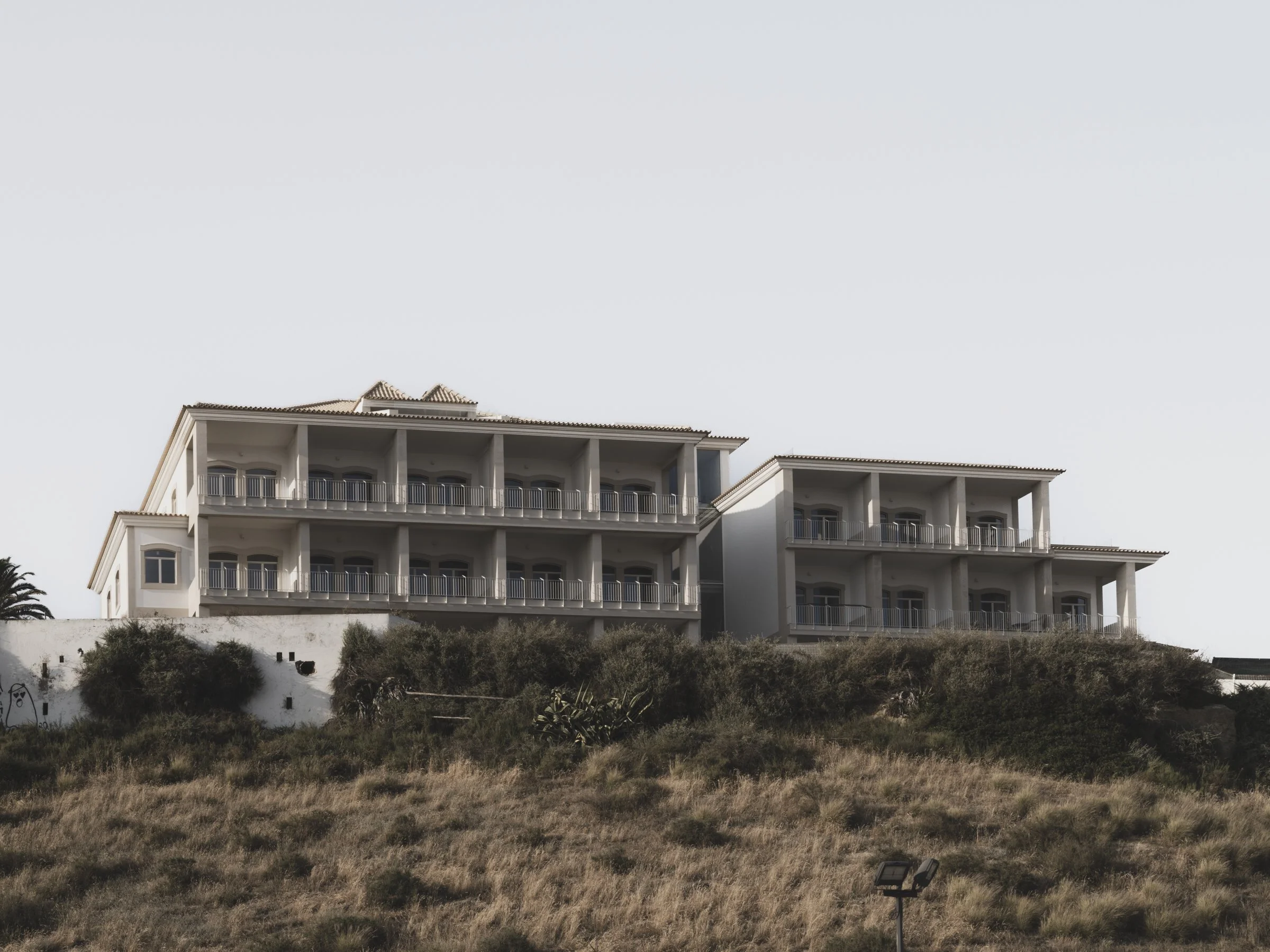
VIVENDA COMPOSTELA / PRAIA DA ROCHA / PORTIMÃO / FÉVRIER 2020 NOUVELLE VILLA / JUIN 2025
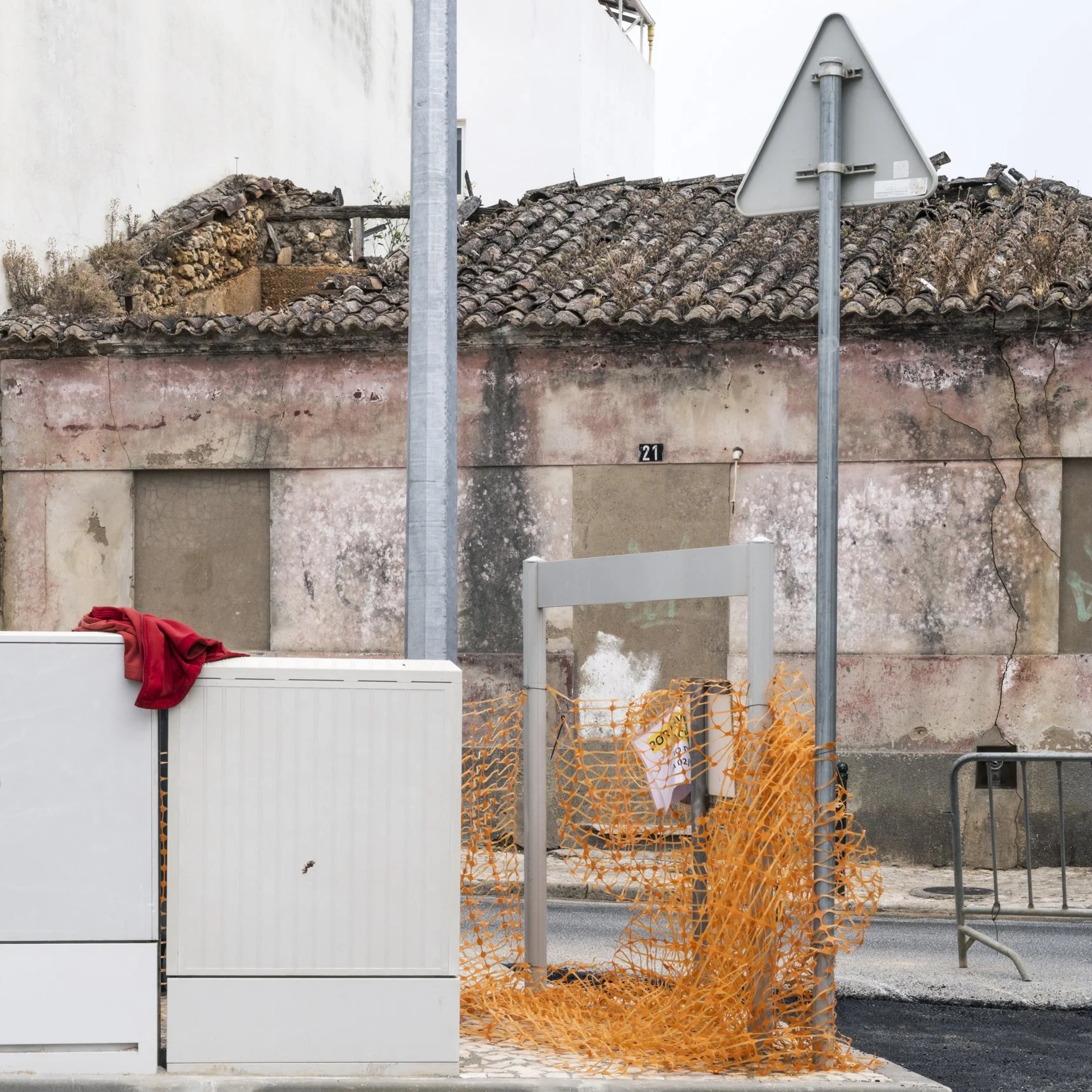
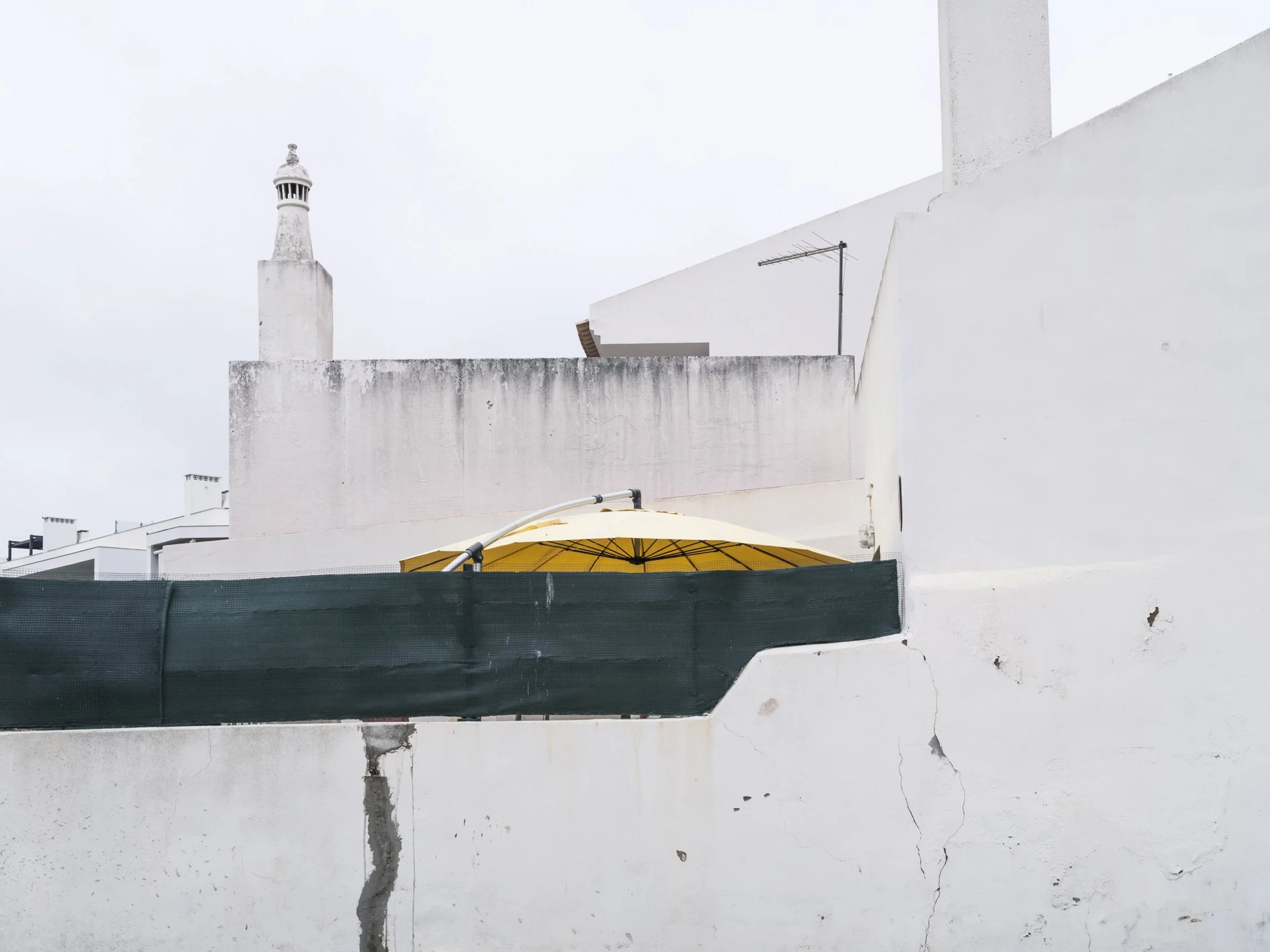
ALVOR / JUIN 2025
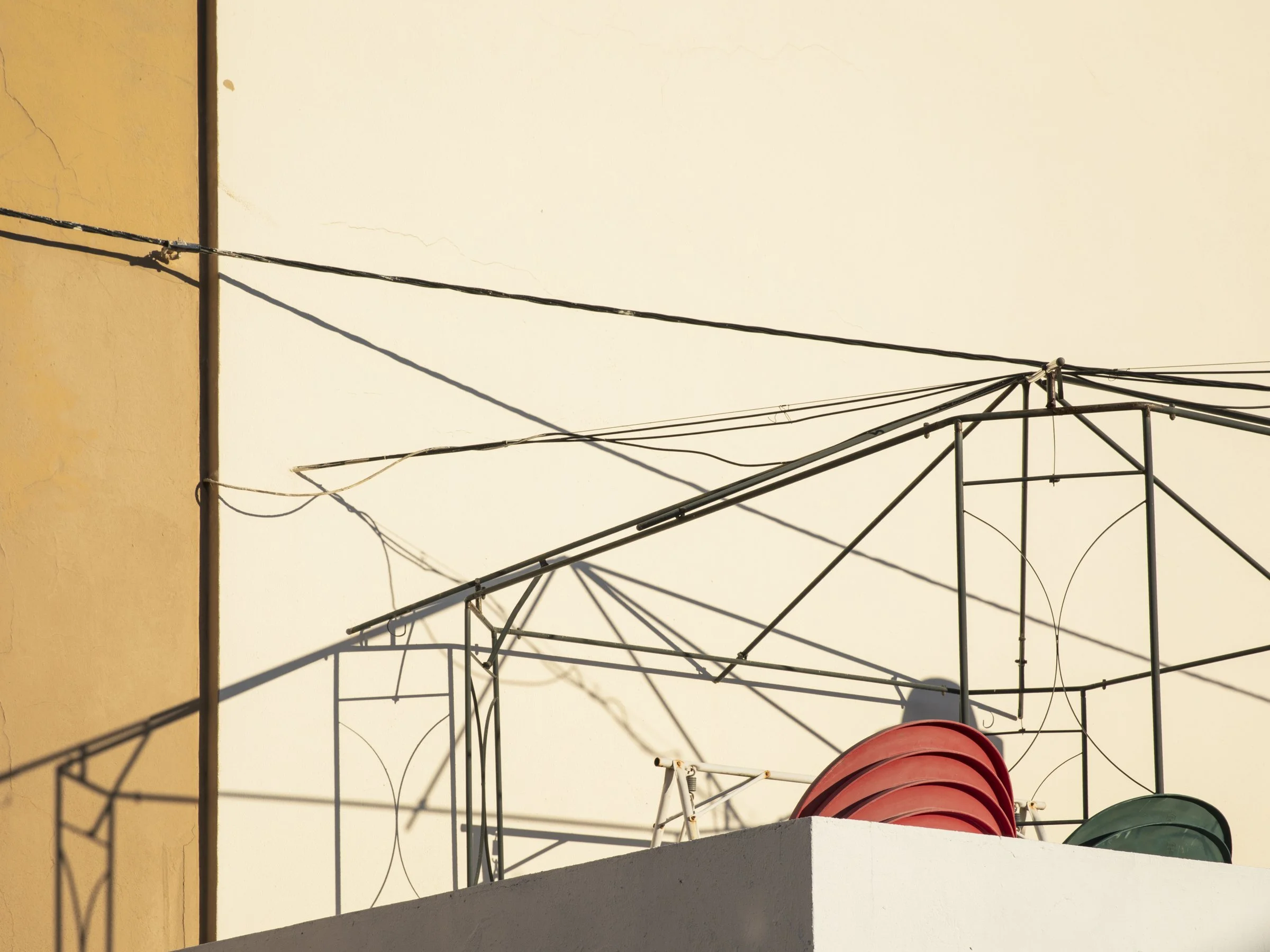
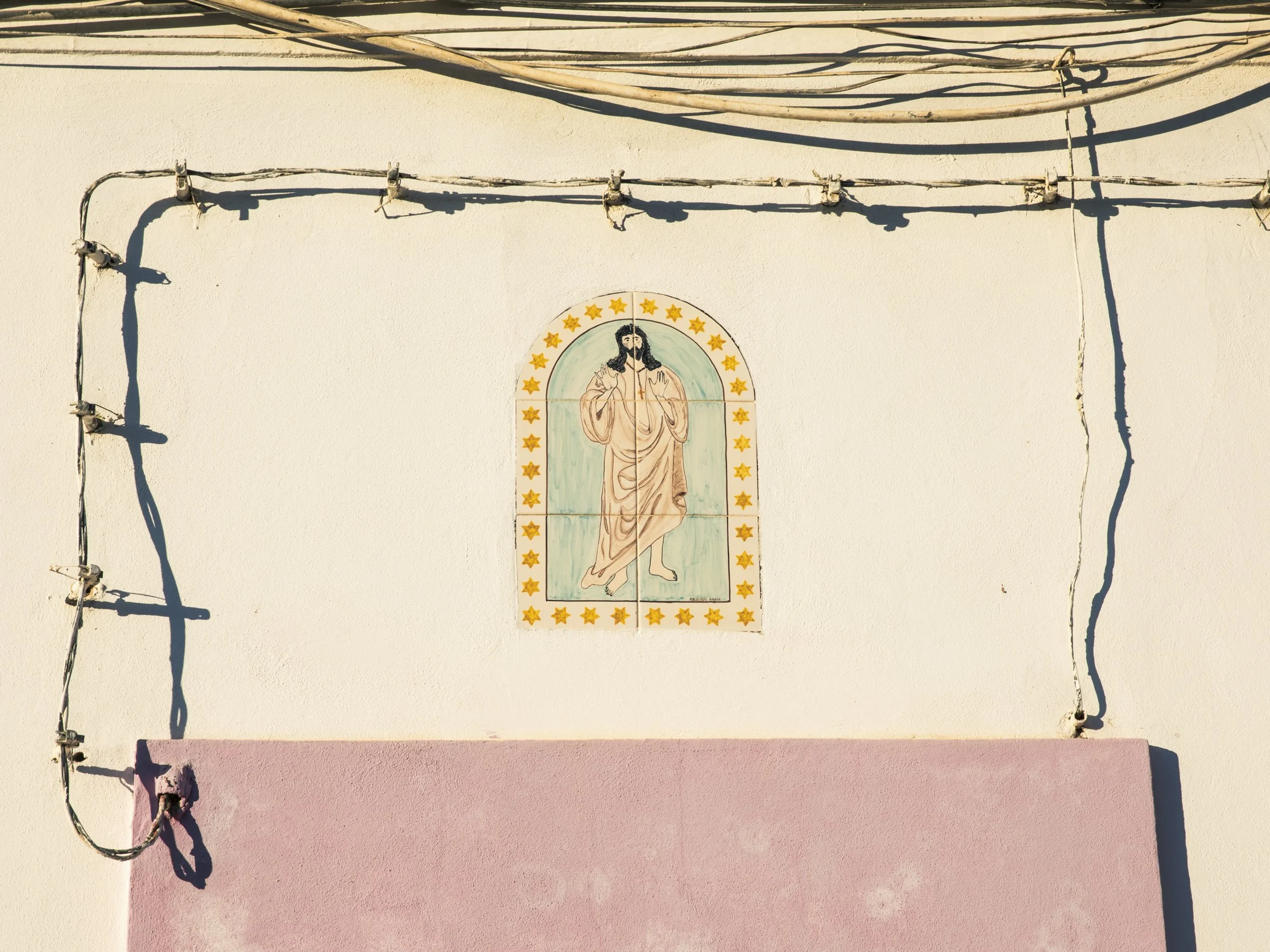
Ferragudo / Janvier 2021
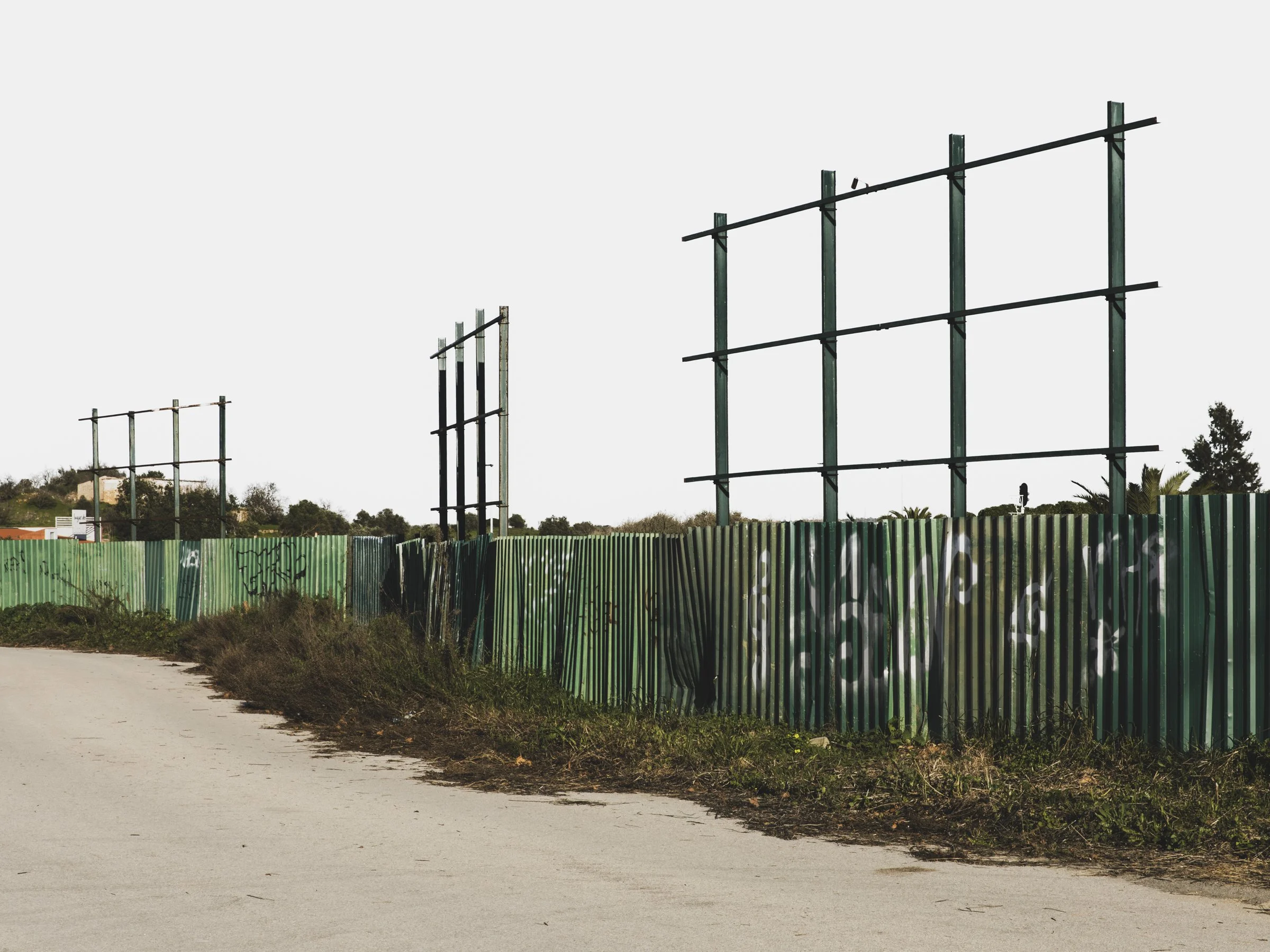
PORTIMÃO / JUIN 2025
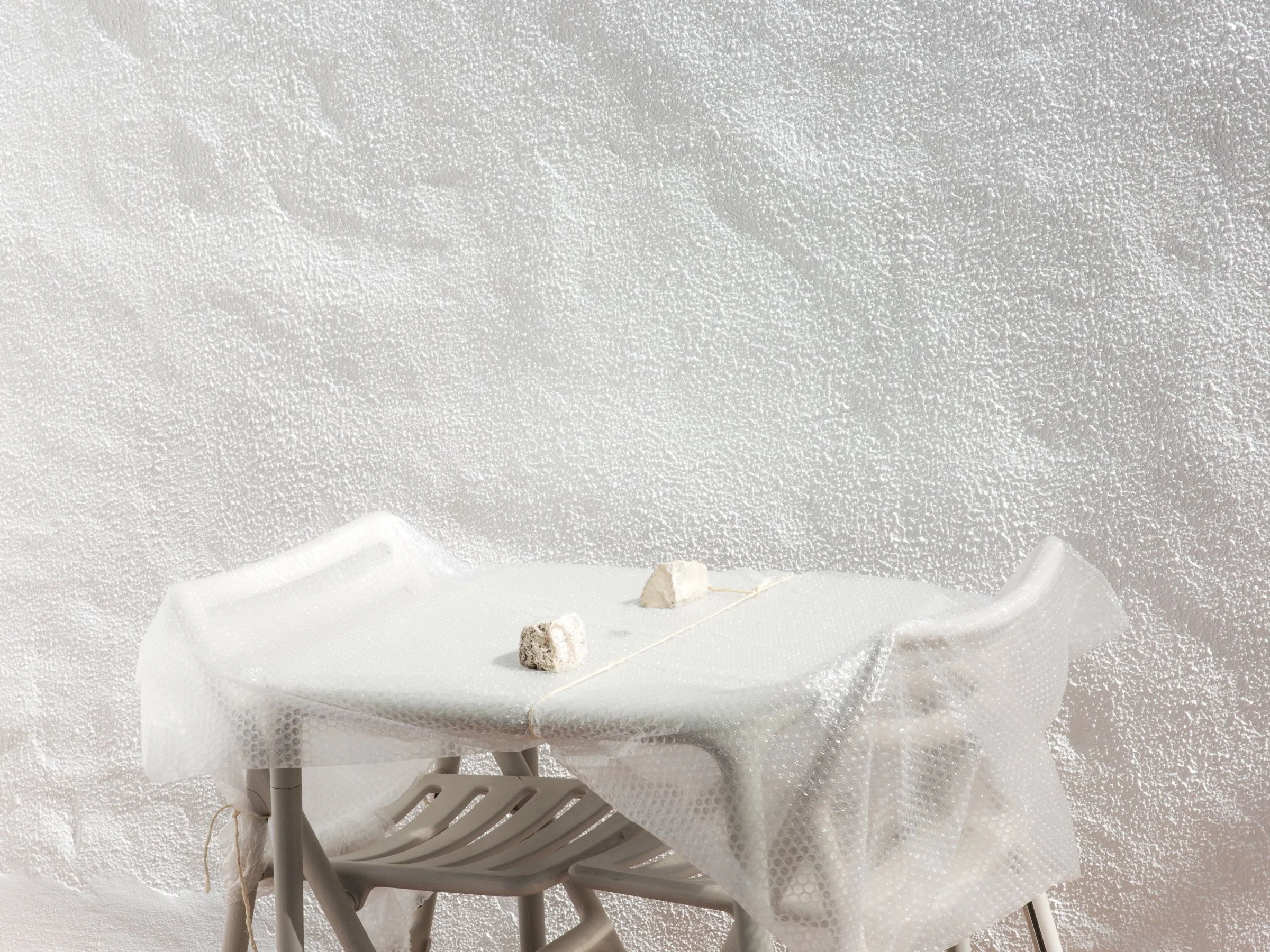
LAGOS / OCTOBRE 2019