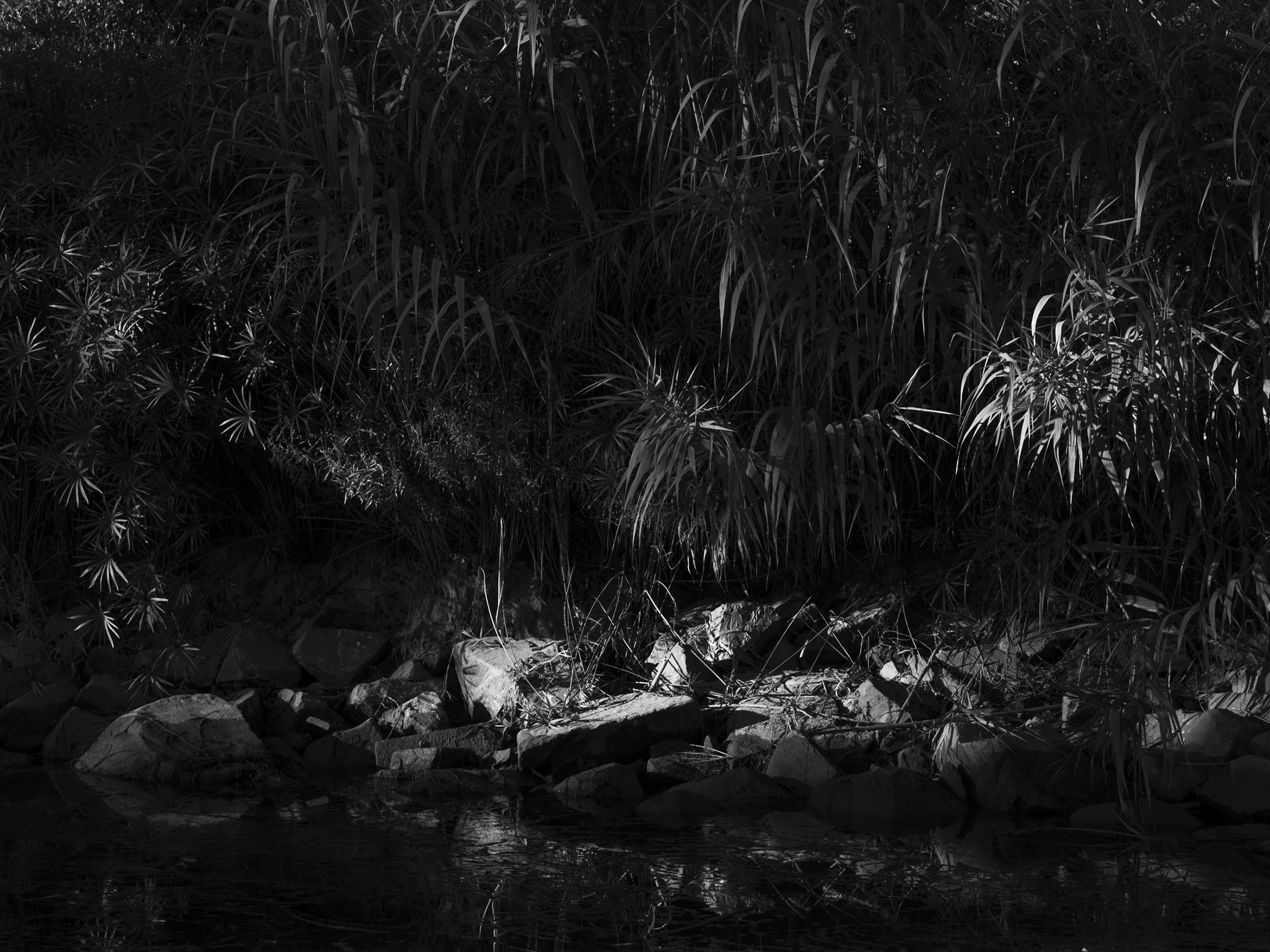
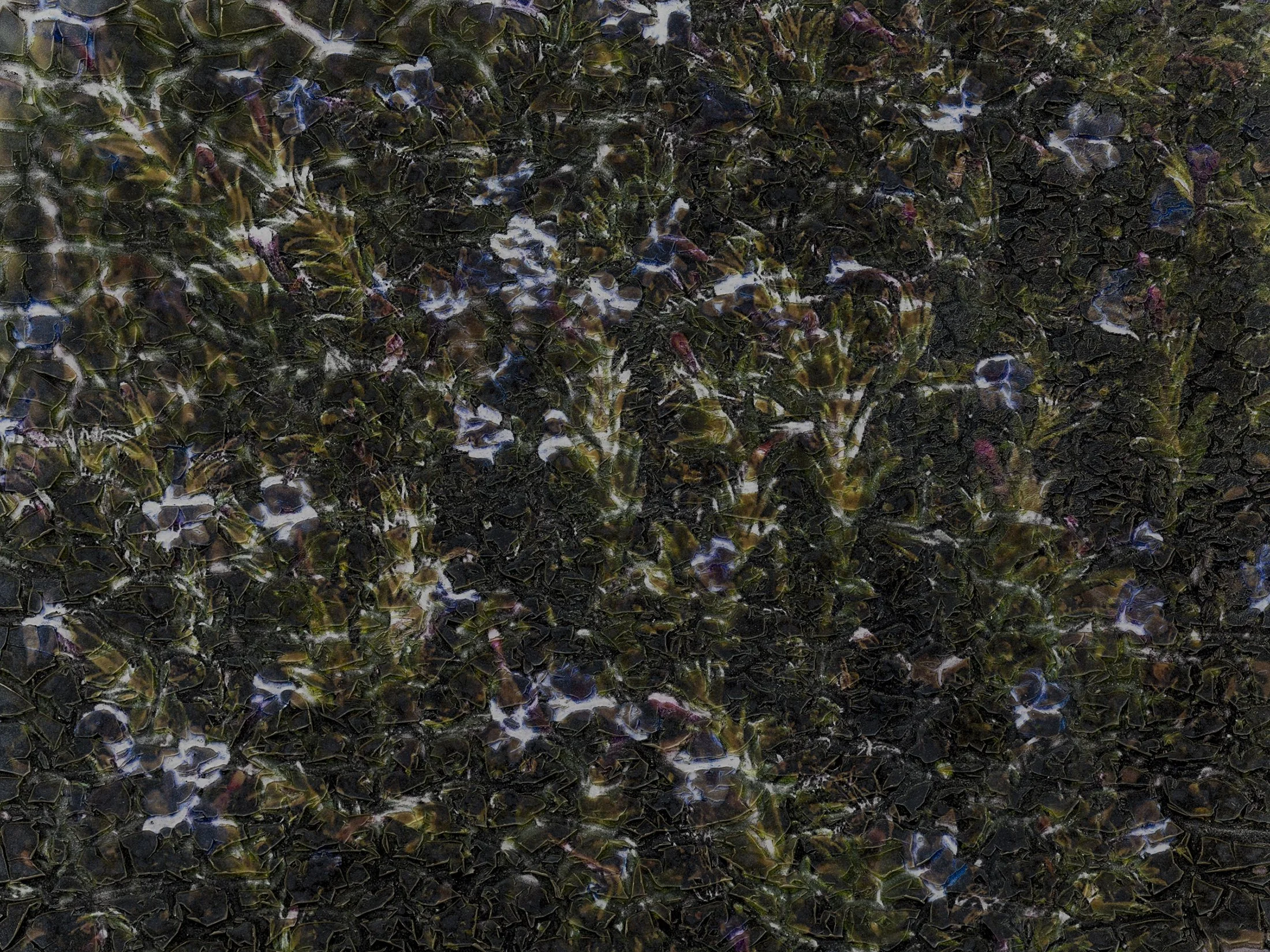
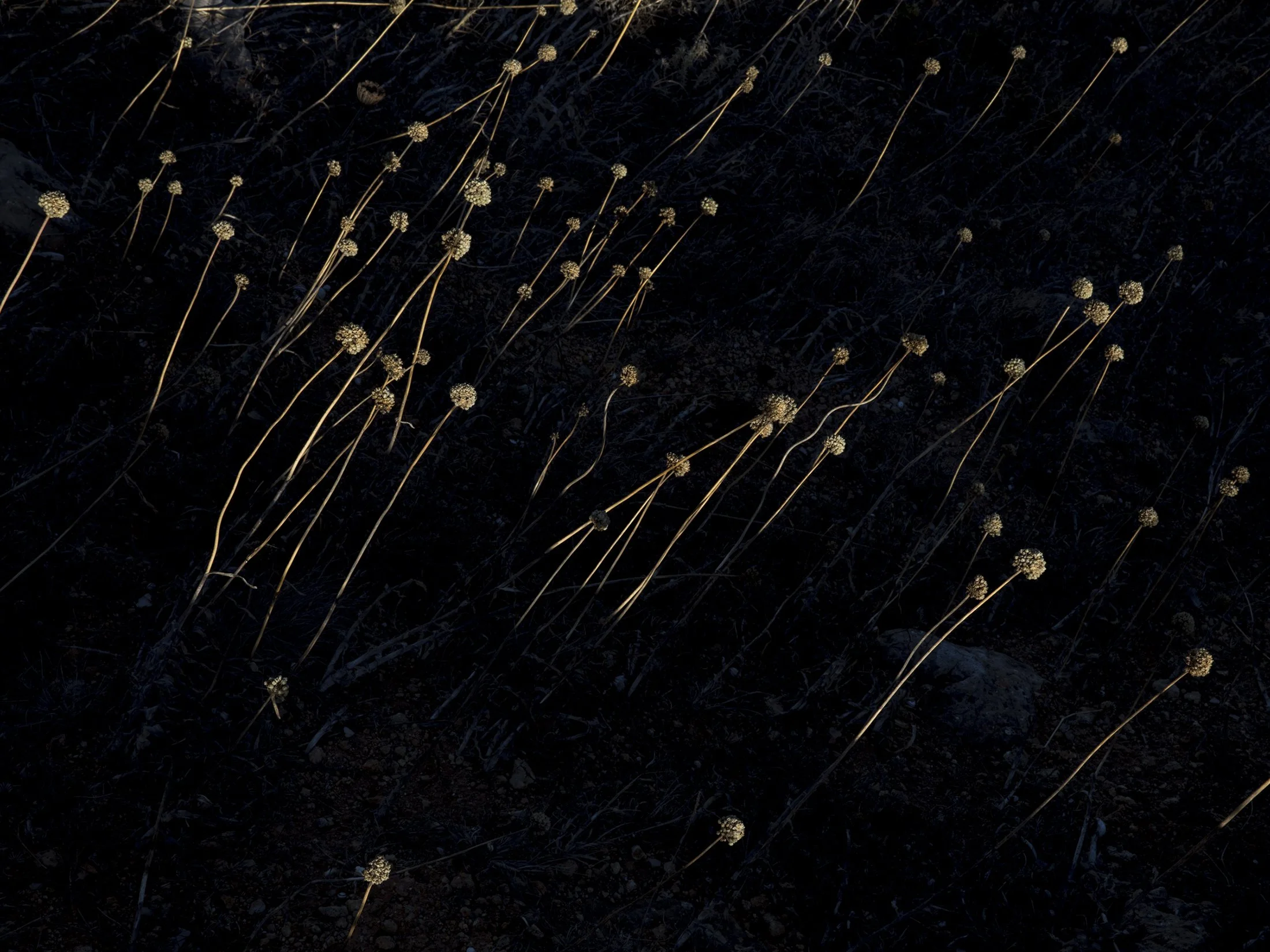
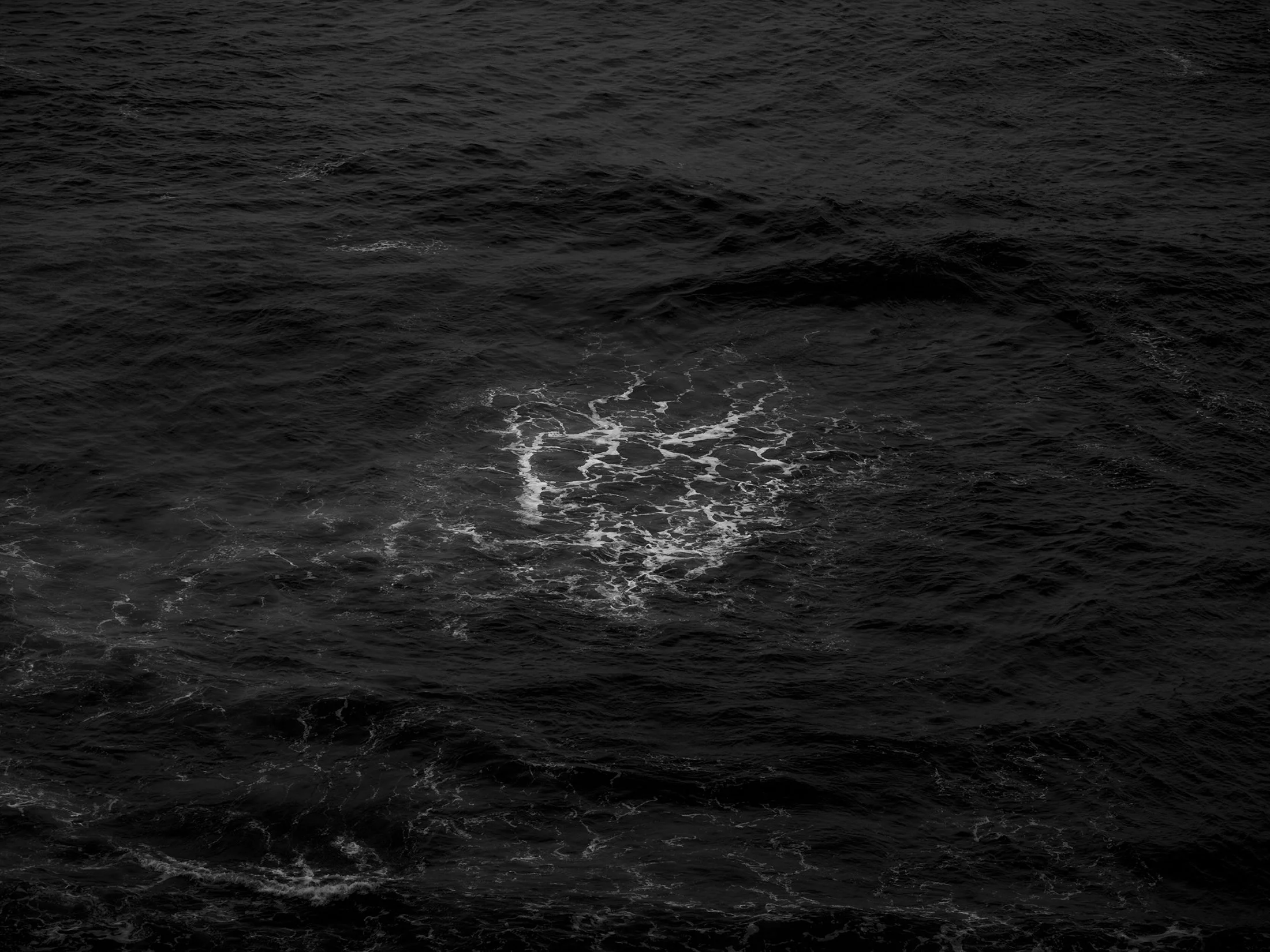
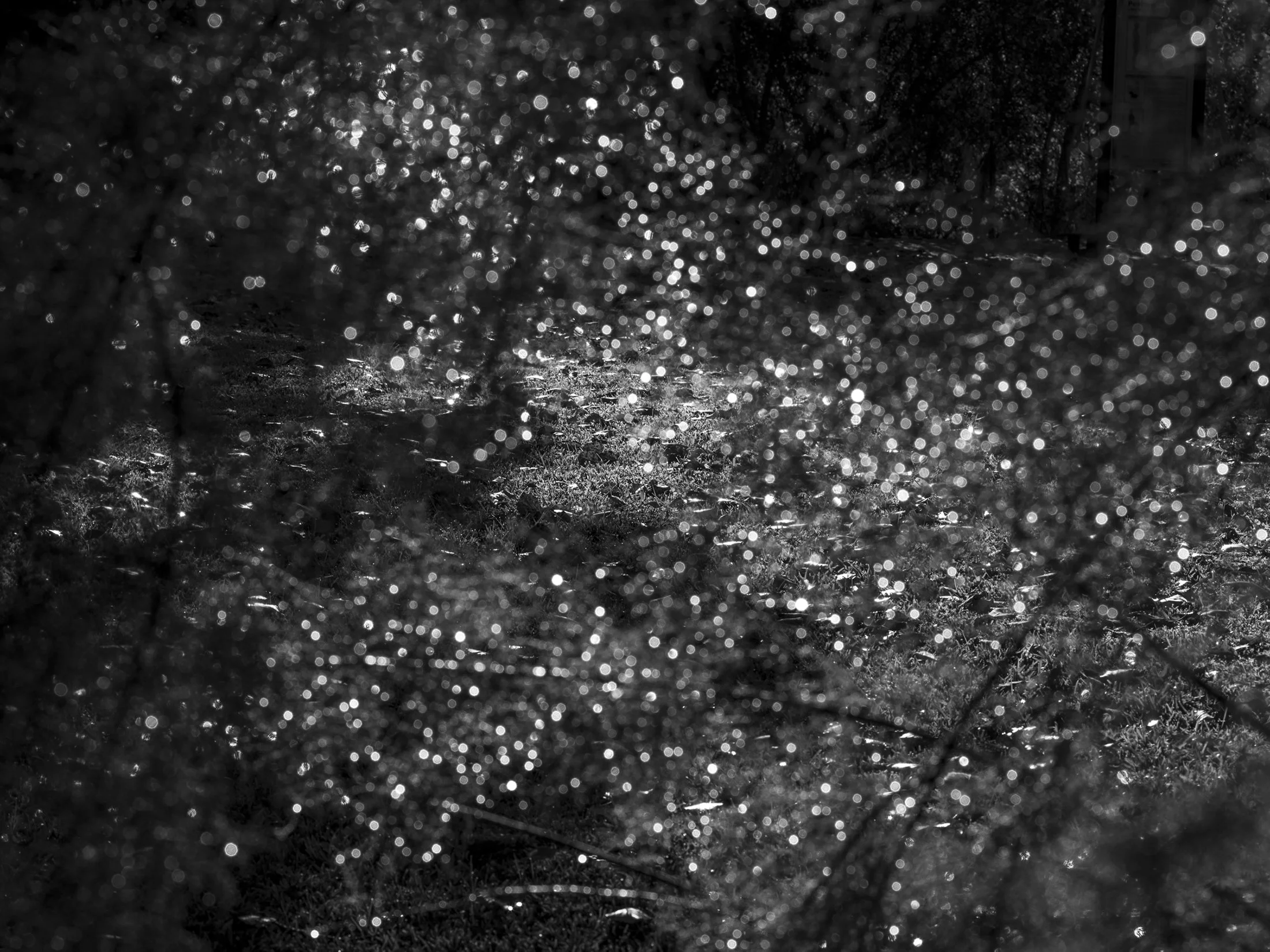
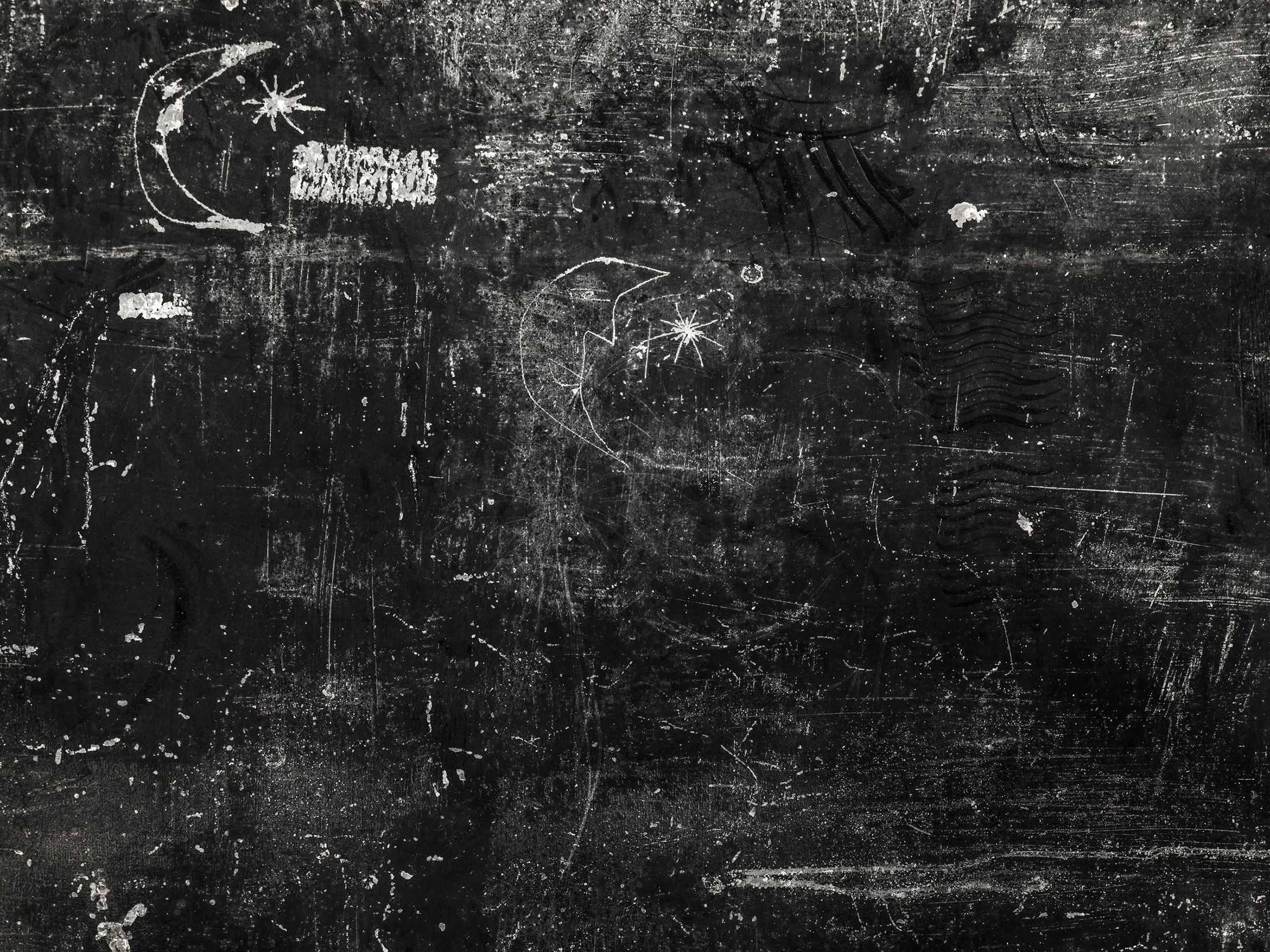
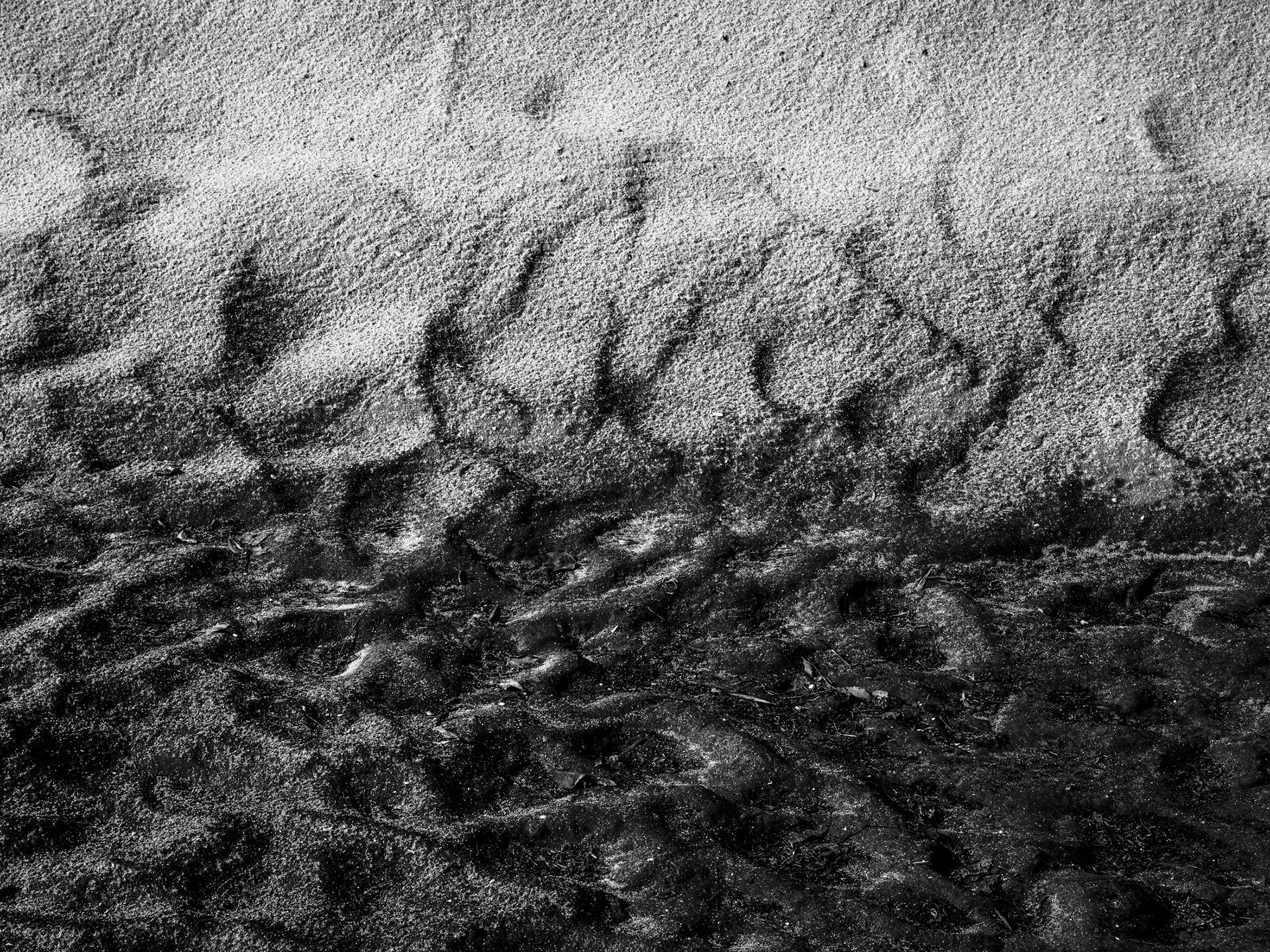
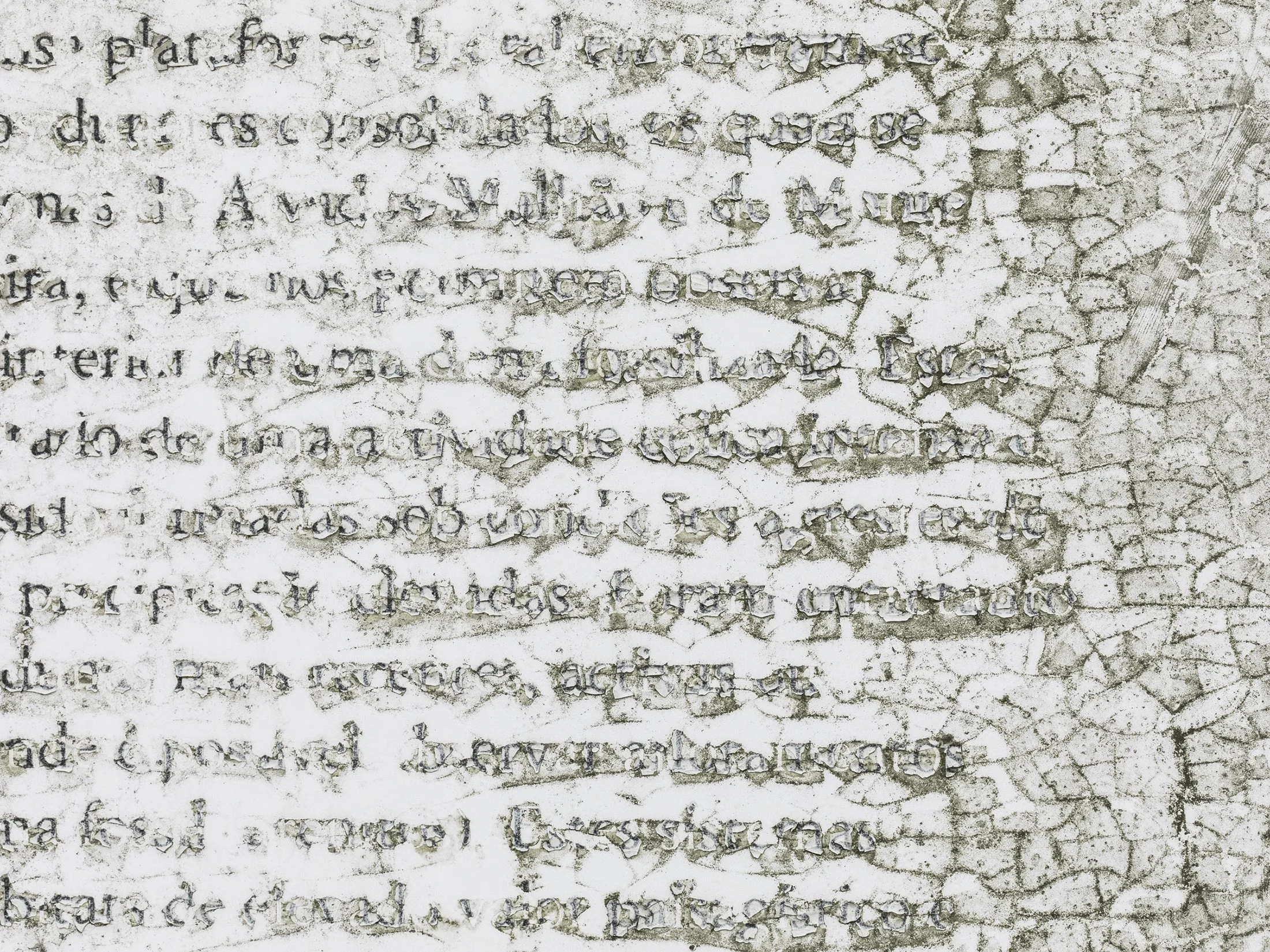
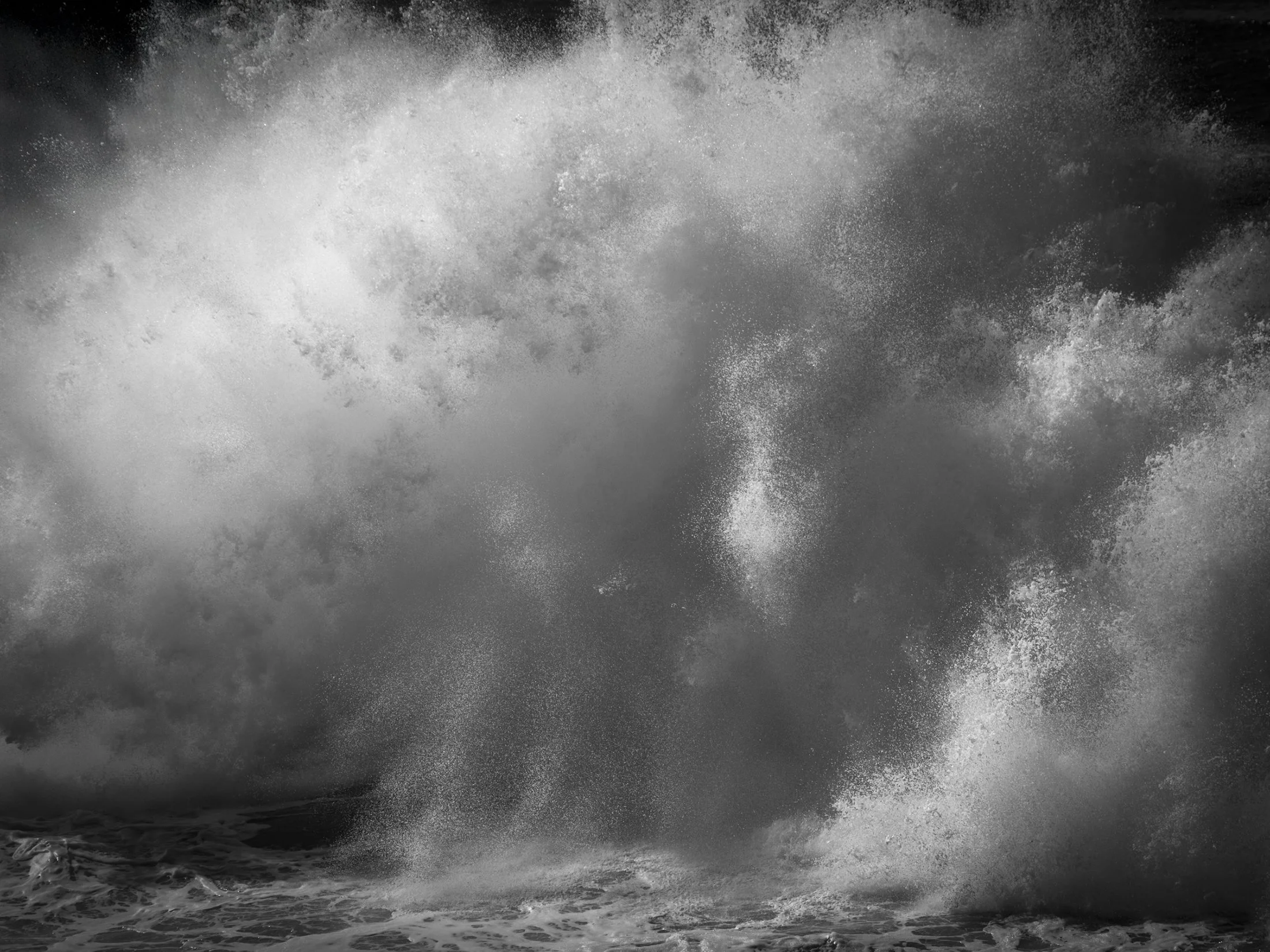
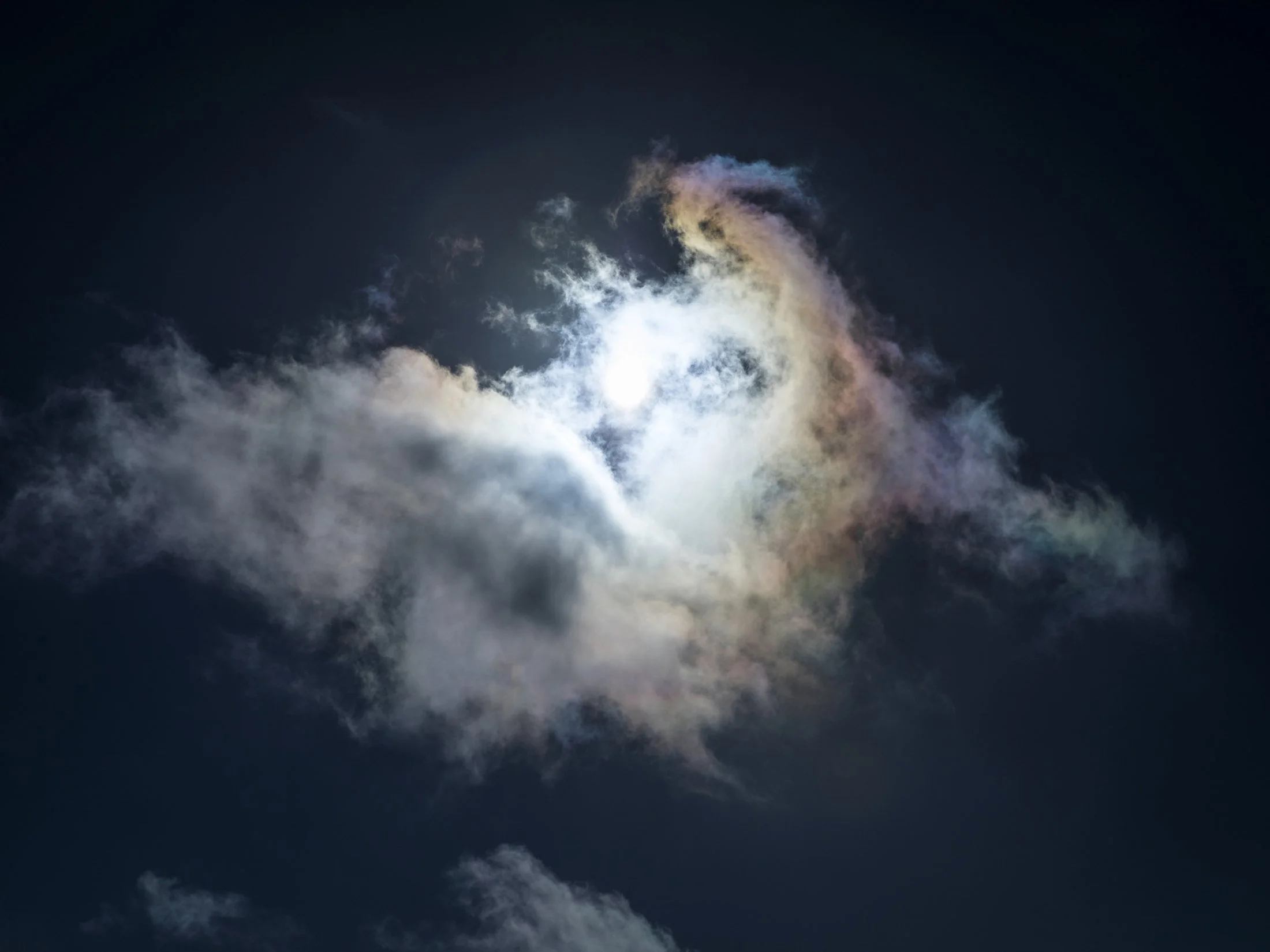
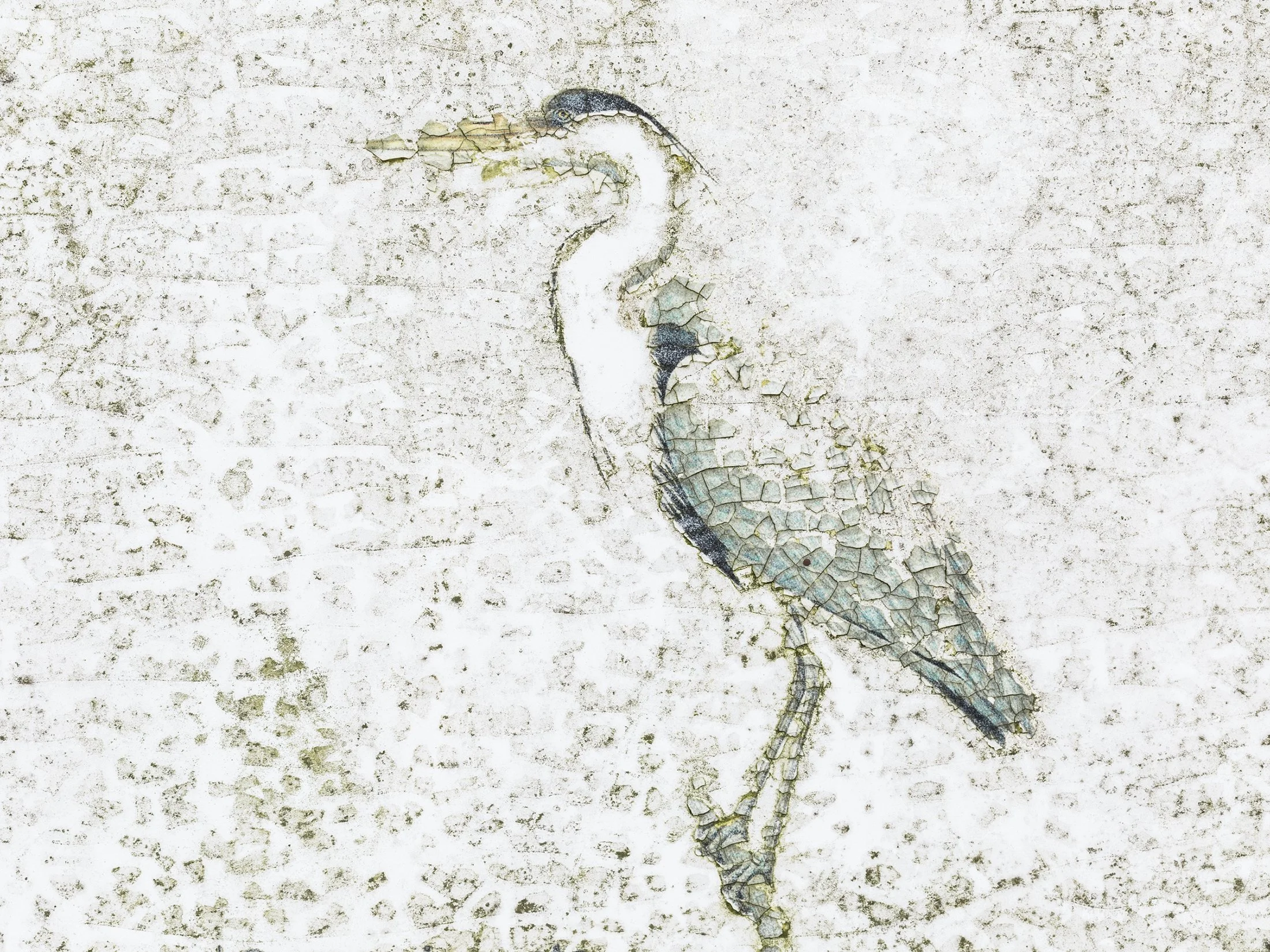
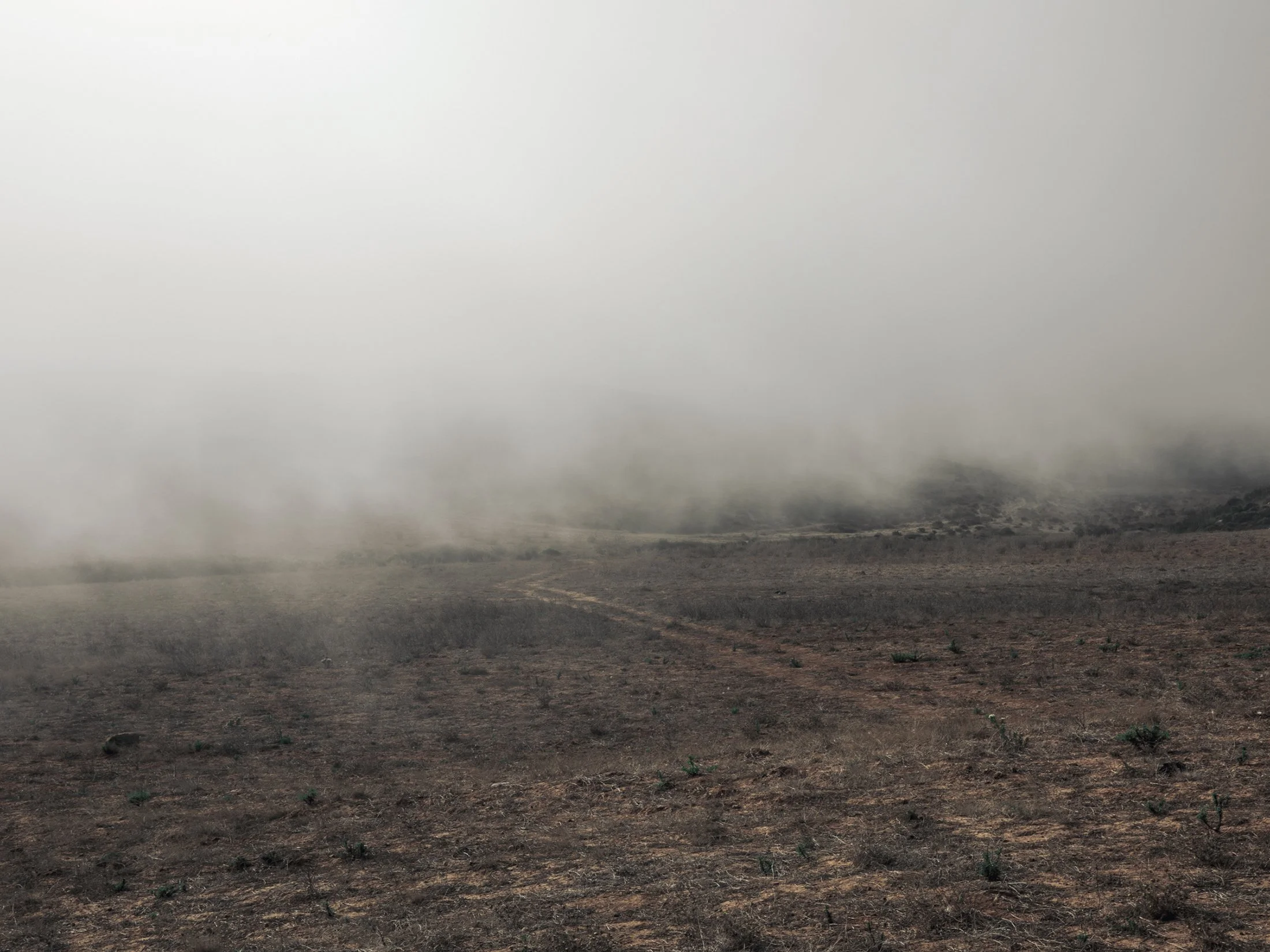
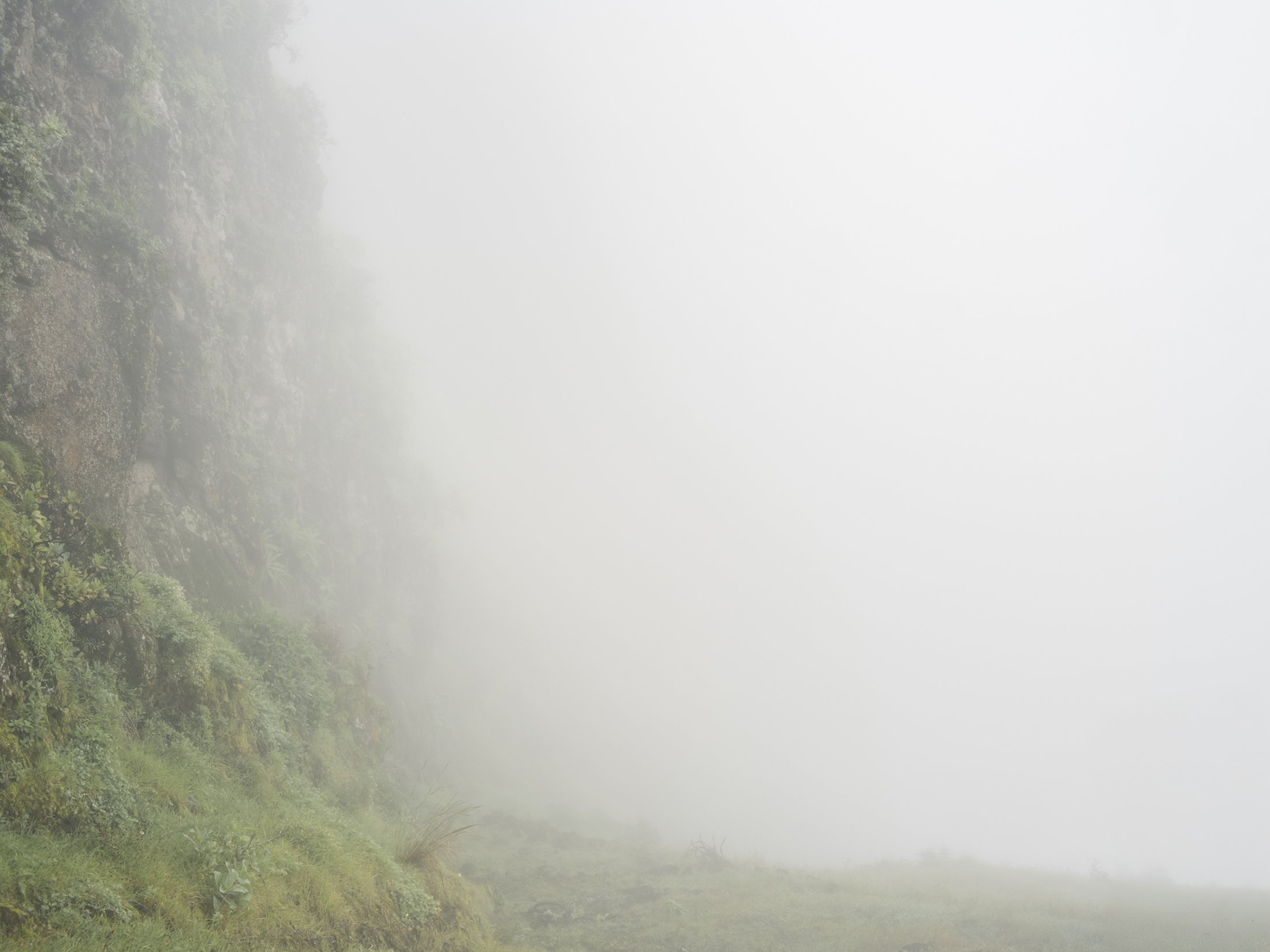
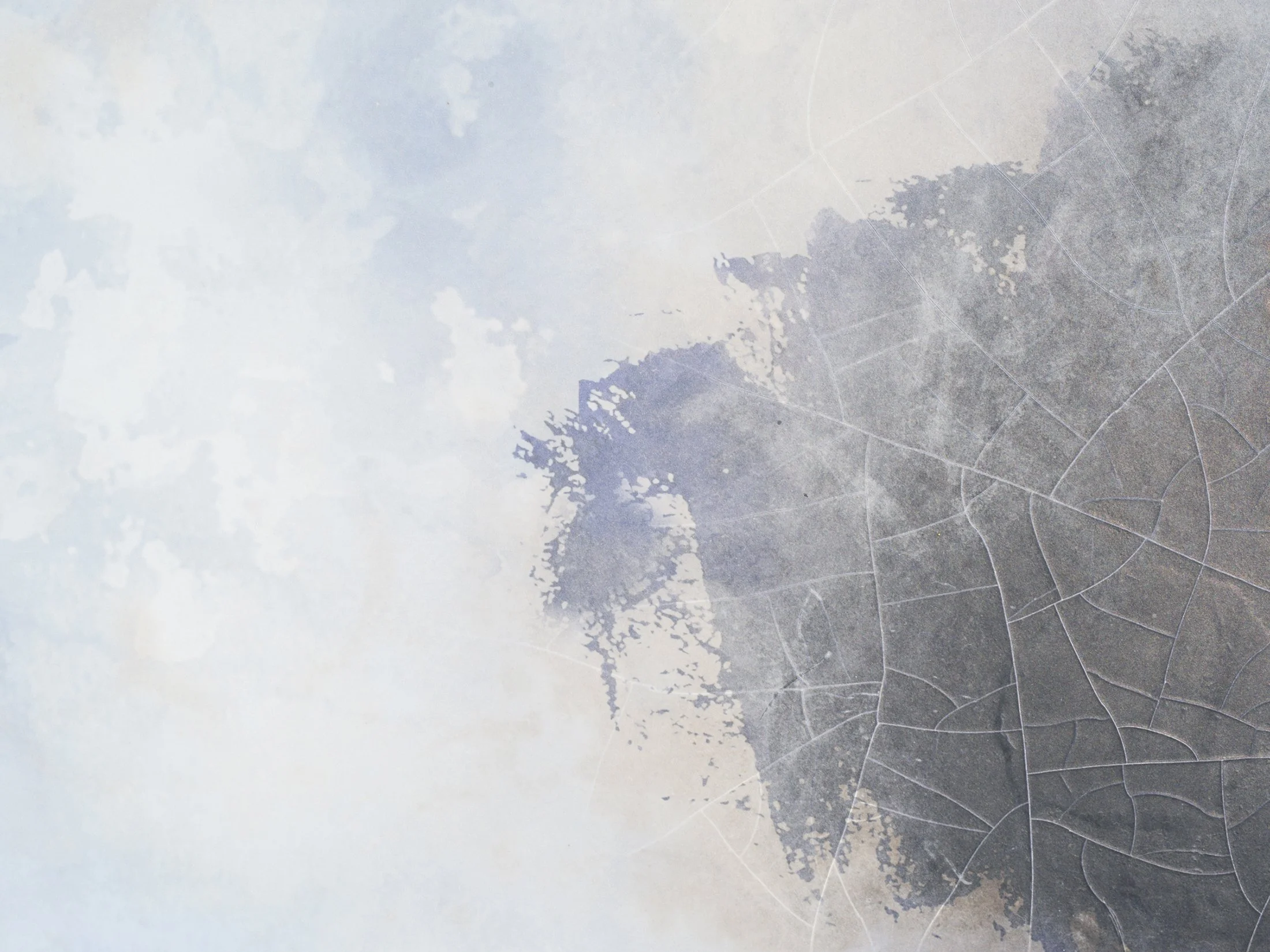
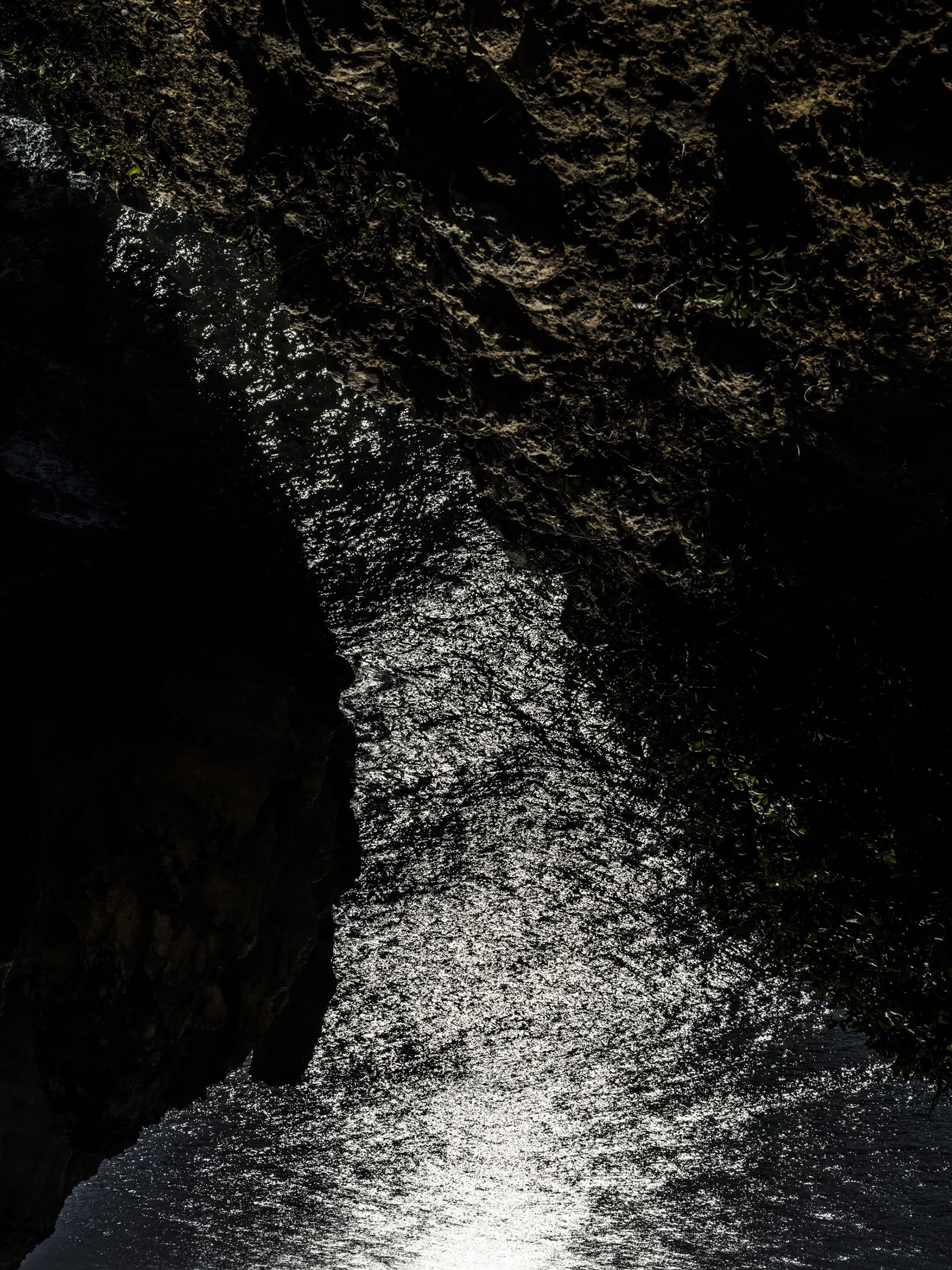
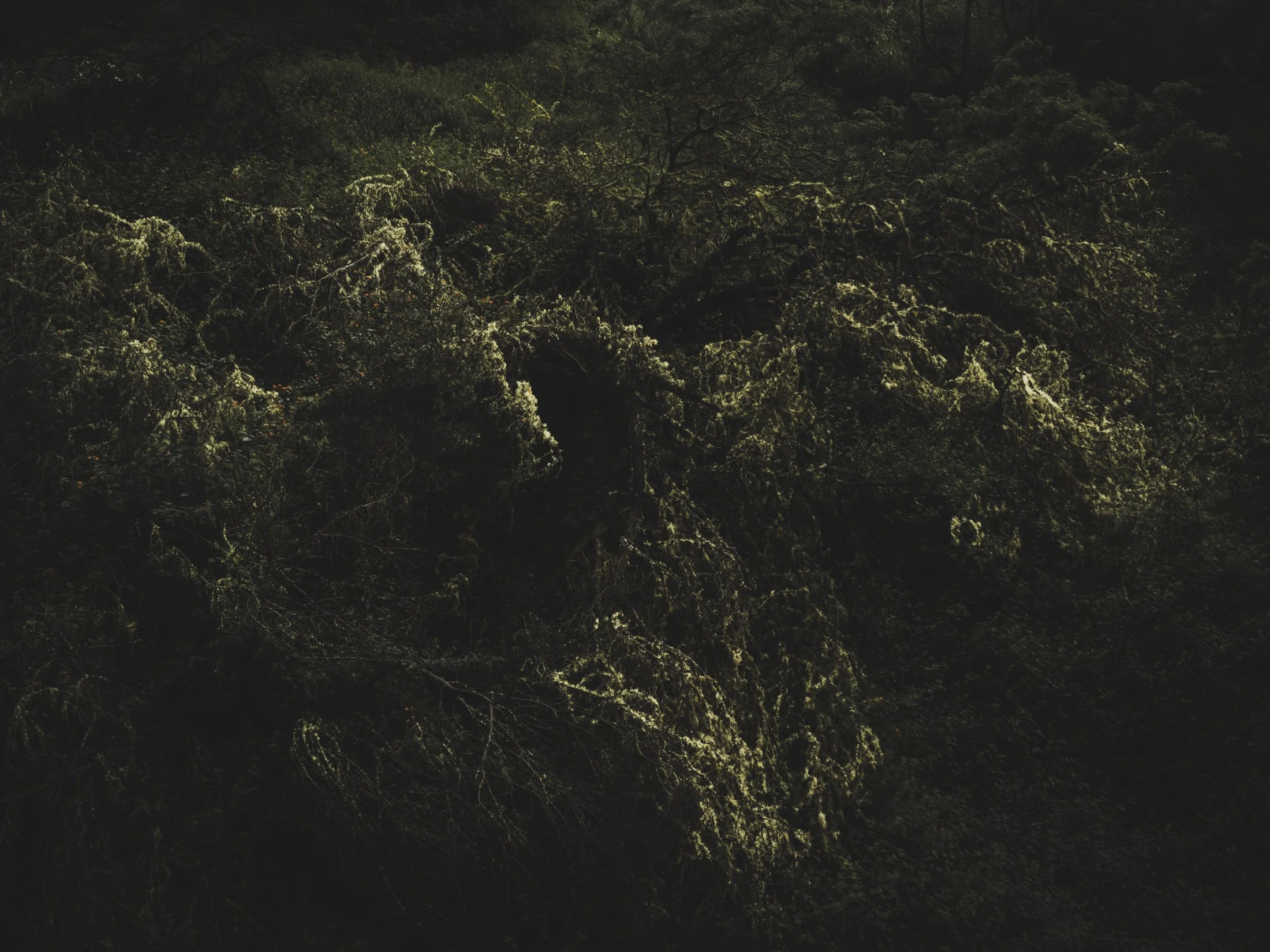
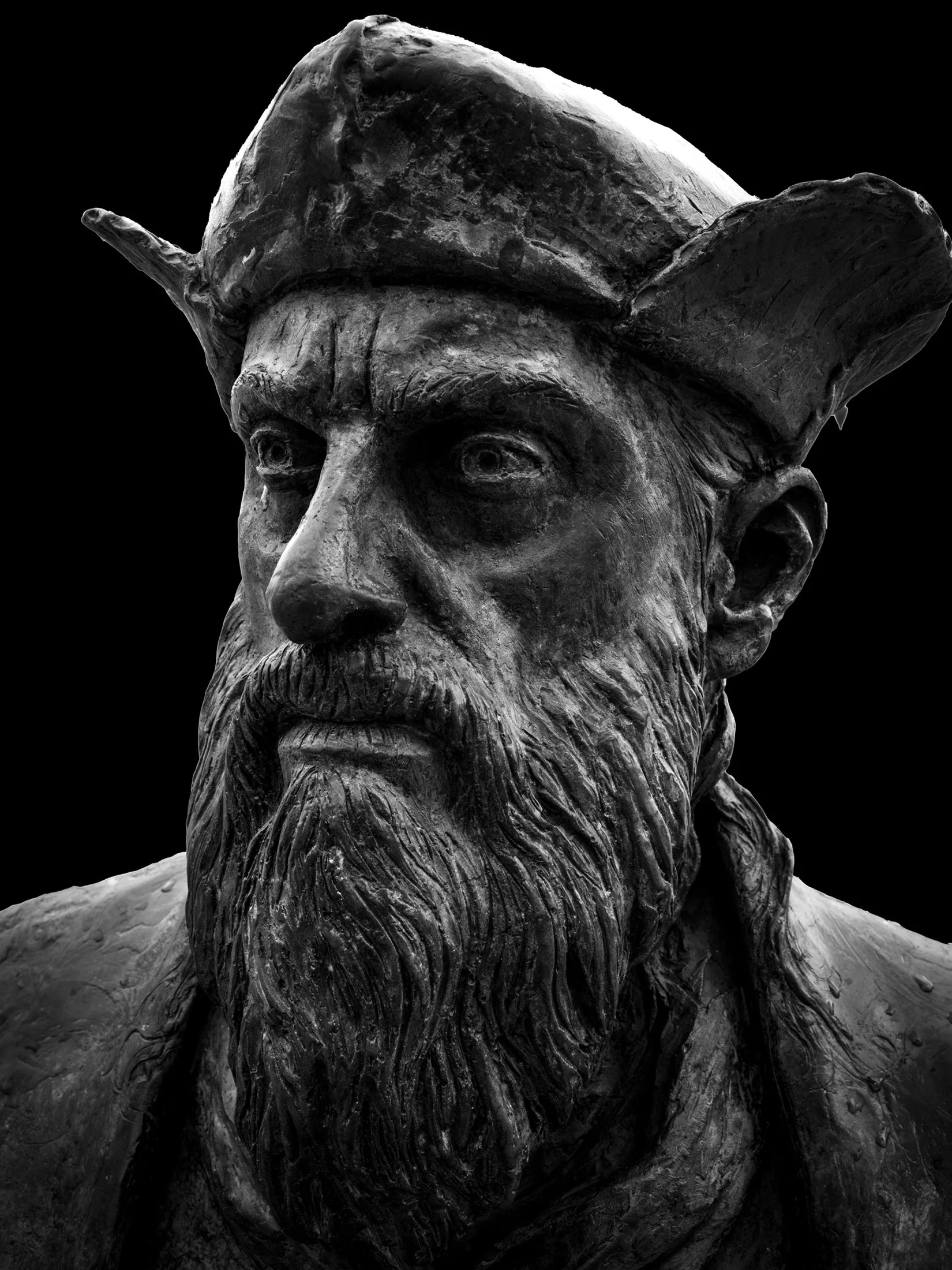
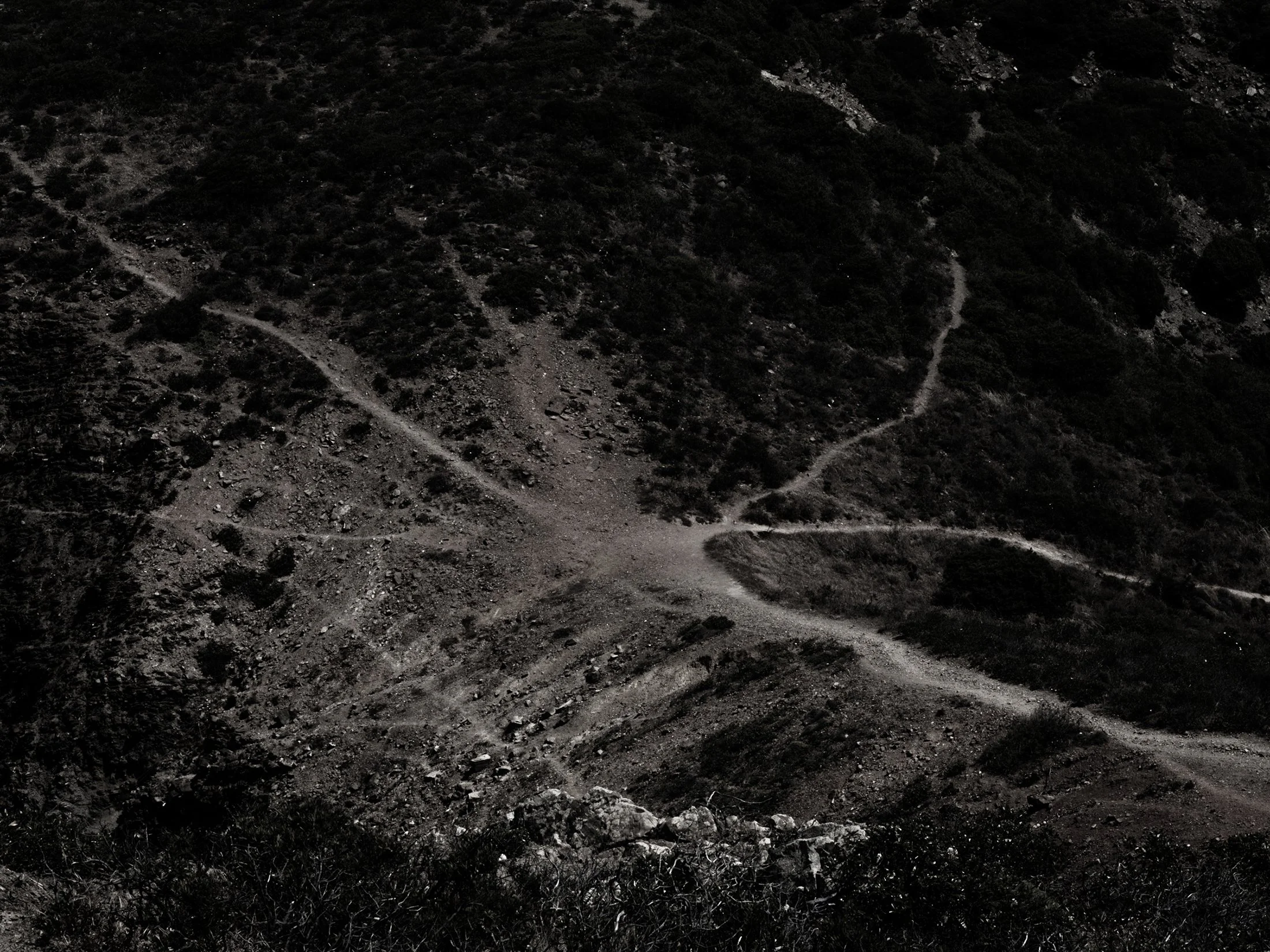
Amuras (2020-2025) est un projet commencé en Algarve, point de départ des explorateurs portugais, poursuivi aux Açores et au Cap-Vert, découvertes portugaises, combinant la marche et le geste photographique.
En navigation, l’amure désigne la position d’un bateau par rapport au vent ou plus précisément le côté où les amures (Amuras en Portugais) reçoivent le vent : on dit bâbord amures quand le bateau reçoit le vent par bâbord (gauche) ou tribord amures quand il le reçoit par tribord (droite).¹
Dans l’exploration maritime, la proue du bateau écrit des lignes et trace des voies de mémoire.
À l’instar de cette ligne d’eau, la trace tellurique des dérives est unique et résonne dans le creux du temps.
Comme si les forces en présence se déployaient dans les fissures d’une terre brûlée, le mouvement du corps s’abandonne et participe à la construction de l’ici et du maintenant.
L’idée est d’entretenir des rapports dynamiques et non binaires avec l’espace, l’éprouver plutôt que de lui assigner des fonctions ou des connaissances. Le rythme lent et irrégulier de la marche s’installe dans l’espace et ouvre des possibles dans la manière d’habiter² un lieu. C’est dans une attitude de disponibilité et de réceptivité du détour que j’expérimente la lecture sensible de l’espace.
Amuras se chemine comme une mise en rythme de la pensée et des rêveries qui retentissent.
À travers des strates de réalités, à travers des détails oubliés du quotidien, je tente de lire l’espace sensible comme s’il me parlait directement.
Des combinaisons sensorielles font vaciller les codes communs, des points de vue se déplient, créant de nouveaux espaces à investir et à habiter. ²
¹ Guide des termes de marine (Chasse Marée, 1997)
² L’ habiter selon Eric Dardel, est « un mode de connaissance du monde et un type de relations affectives loin d’une approche abstraite ou technocratique de l’espace. »
Amuras (2020-2025) is a project started in the Algarve , land of famous Portuguese explorers, continued in the Azores and in Cape Verde, Portuguese discoveries, combining wayfarer practice and photographic gesture.
A tack (amuras in Portuguese) is a nautical term to indicate the position of a boat relative to the wind, more precisely the side where the tacks receive the wind. We say port tack when the boat receives the wind from port (left side of the boat) or on the starboard tack if the wind is coming from the starboard (right side of the boat).¹
In maritime exploration, the bow of the boat writes lines and traces paths of memories.
Like the waterline, the telluric trace of drifts is unique and echoes in the hollow of time.
As if the forces at work were unfolding through the cracks of a scorched land, the movement of the body abandons itself and participates to the construction of here and now.
The idea is to maintain dynamic and non-binary relationships with space, experience it rather than assigning it functions or knowledges.
It is rather about mobilizing the body and the senses in order to open up possibilities in the way of inhabiting² a place.
The slow and irregular rhythm of the walk settles into the space. I walk with an attitude of availability and receptiveness for detour.
Amuras unfolds like a rhythmical arrangement of thought and daydreams that resonate.
With each steps and engaged with History of geographic exploration, the territory becomes the movement of my desires. I read the sensitive space as if it spoke directly to me.
Reality infused with expressions of the body and the world and feeds a desire to embrace the passing. The sensory combinations make waver common codes, points of views unfold, creating new spaces to inhabit.²
¹ Guide to nautical terms, Chasse Marée, 1997.
² According to Eric Dardel, to inhabit is a way of knowing the world and a type of emotional relationships far from an abstract or technocratic approach to space.